
If you've spent any time on social media sites like TikTok or Instagram, or even just browsing Amazon, then you've probably seen these things floating around — colorful little adhesive strips with "GLP-1" emblazoned across the packaging, touting things like "appetite suppression," "reduced cravings," and "weight loss without needles or prescriptions." They're inexpensive, they're convenient, and they sound like a dream come true. But do these things actually work for weight loss, and are they even what they're supposed to be?
What Are GLP-1 Patches?
GLP-1 Patches are sticker-like products, similar in nature to nicotine patches or hormone therapy patches, placed against the skin — typically on the upper arm or stomach area. The advertising promises they will help users curb their appetite, eliminate food cravings, support GLP-1 production, and help with weight loss, all without injections like those required with prescription GLP-1 drugs such as Wegovy or Zepbound.
GLP-1 patches don't actually contain any GLP-1 drugs. No semaglutide, no tirzepatide, no GLP-1 compound whatsoever. What they contain instead is a mixture of herbal extracts, plant compounds, vitamins, and minerals — similar to what's found in over-the-counter dietary supplements. Because GLP-1 patches aren't actually drugs, they aren't required to demonstrate that they work before being sold.
What’s Actually Inside GLP-1 Patches?
The formulation of GLP-1 patches typically reads like a list of older, recycled diet supplement formulas simply re-packaged in shiny new wrappers. Even the best-researched ingredient on these lists has only limited evidence — and only in oral form, at proper dosages. There is no research whatsoever examining whether these ingredients can be effectively absorbed through the skin in the amounts found in GLP-1 patches.
| Ingredient | What It Claims to Do | What Research Actually Shows |
|---|---|---|
| Berberine | Boost GLP-1 levels, support blood sugar | Modest oral evidence; no transdermal data |
| Green Tea Extract (EGCG) | Boost metabolism, increase GLP-1 | Limited oral evidence; linked to liver stress in high doses |
| Garcinia Cambogia | Suppress appetite, burn fat | Very weak evidence, even when taken orally |
| Cinnamon Extract | Support blood sugar regulation | Limited oral evidence; no transdermal studies |
| L-Glutamine | Gut health, reduce cravings | No meaningful weight loss evidence |
| Pomegranate / Mango Seed | Metabolism support | No credible weight loss evidence |
| B-Vitamins | Energy support | May help with energy if deficient |
| Chromium | Appetite control | Very weak evidence overall |
Why Can’t You Deliver Real GLP-1 Through a Patch?
This is the fundamental scientific issue with GLP-1 patches — and it is a significant one. Your skin is the largest organ in your body, and its fundamental purpose is to keep things out. Prescription GLP-1 medications such as semaglutide and tirzepatide are large, complex peptide molecules — essentially small proteins. These molecules are simply too large and too chemically unstable to penetrate the outer protective layer of your skin (the stratum corneum) and enter your system.
"There are no medications that are available that are GLP-1 agonists that can be absorbed through the skin."
Additionally, since semaglutide and tirzepatide are patented prescription medications, no over-the-counter product is legally permitted to contain these compounds anyway. And even if some herbal compounds like berberine were absorbed through the skin, the doses would be nowhere near enough to produce any appreciable effect.
Do Any Users Report Results? What About Positive Reviews?
Yes, there are plenty of positive reviews online. So what is going on? Medical experts point to two explanations.
"Any perceived benefits are much more likely the result of the placebo effect. If you expect something to help, you might begin to make other positive lifestyle changes, and that could, in turn, cause you to lose weight on its own."
The second explanation is motivation: people who purchase these patches are highly motivated to lose weight — and that motivation, not the patch, drives the results. This is not comparable to the 15–20% body weight loss achieved in clinical trials with pharmaceutical GLP-1 drugs.
GLP-1 Patches vs. Prescription GLP-1 Medications: The Real Comparison
| Factor | OTC GLP-1 Patches | Prescription GLP-1 Medications |
|---|---|---|
| Contains an actual GLP-1 drug | No — herbal supplements only | Yes — synthetic GLP-1 receptor agonists |
| FDA approved for weight loss | No — sold as unregulated supplements | Yes (Wegovy, Zepbound, Saxenda) |
| Clinical trial evidence | None for OTC consumer versions | Extensive — proven safety and efficacy |
| Average expected weight loss | Negligible (1–2% from placebo/diet) | 15–20% of body weight |
| Regulated for safety and quality | No — risk of hidden ingredients | Yes — strict pharmaceutical standards |
| Cost per month | $15–$60 | $300–$1,300 (varies with insurance) |
| Absorption mechanism | Transdermal — peptides too large for skin | Subcutaneous injection or oral pill |
Prescription GLP-1 medications have been tested on tens of thousands of patients through multi-year studies. They have established dosing regimens, safety records, and FDA regulation. There are no such standards for over-the-counter GLP-1 patches.
Are GLP-1 Patches Dangerous?
While they are unlikely to cause significant harm to most people, that does not mean they are risk-free.
The biggest risk is not what these patches do — it's what they represent. If someone believes they are getting GLP-1 benefits from an over-the-counter patch, they are likely to avoid seeking real medical treatment for obesity, which is a serious medical condition. They are wasting time and money on something that doesn't work, while a condition with serious long-term health consequences goes unaddressed.
There are also ingredient-specific concerns. Berberine is known to cause gastrointestinal problems, interact with diabetes medications and blood thinners, and can have negative effects during pregnancy and breastfeeding. Green tea extract is linked to liver stress in high doses. There is also no guarantee that ingredients are present at the levels claimed — or that they are safe to use at all.
Is There Any Future for Real GLP-1 Patch Technology?
This is where things get genuinely exciting — because real scientists are actively working to make a functional GLP-1 patch a reality, and early results are promising.
The technology currently under development is called microneedle patch technology. Unlike a regular adhesive patch, microneedle patches are comprised of actual needles — ranging from 100 to 1,000 micrometers — made from dissolvable material. They pierce through the skin's outer layer, bypassing its natural defenses, and deliver medication directly.
A programmable microneedle patch published by researchers was able to deliver semaglutide releasing a new dose every week for an entire month — simulating four weekly injections with just one application. Animal studies showed positive results for weight loss and blood glucose versus regular injections.
A 2025 transdermal semaglutide mouse study found that skin-delivered semaglutide reduced appetite-controlling neuropeptides and increased metabolic rate — even surpassing standard injections in that study's results.
Daewoong Therapeutics claimed bioavailability rates of over 80% in early human pilot studies using microneedle technology in 2025.
PharmaTher began studying microneedle feasibility for obesity in early 2026, with the possibility of delivering one month of GLP-1 medication per application.
None of these technologies are currently available to patients. Most research remains at the animal model stage, with only very early human studies completed. Experts predict it will likely be several years before microneedle technology reaches patients — potentially as late as 2028 or beyond. The future is promising. The current reality of what is sold online is not.
What Should You Do Instead? Proven Alternatives That Actually Work
If you're interested in GLP-1 therapy for weight loss, there are safe, proven options available right now — and some are more accessible than ever before.
Wegovy Pill (Oral Semaglutide) — FDA Approved December 2025
The first and only oral GLP-1 medication approved for weight management. No injection required. Clinical trials showed 13–14% body weight loss over 64 weeks — a significant and genuinely convenient alternative for injection-averse patients.
Prescription Injectable GLP-1s — Wegovy and Zepbound
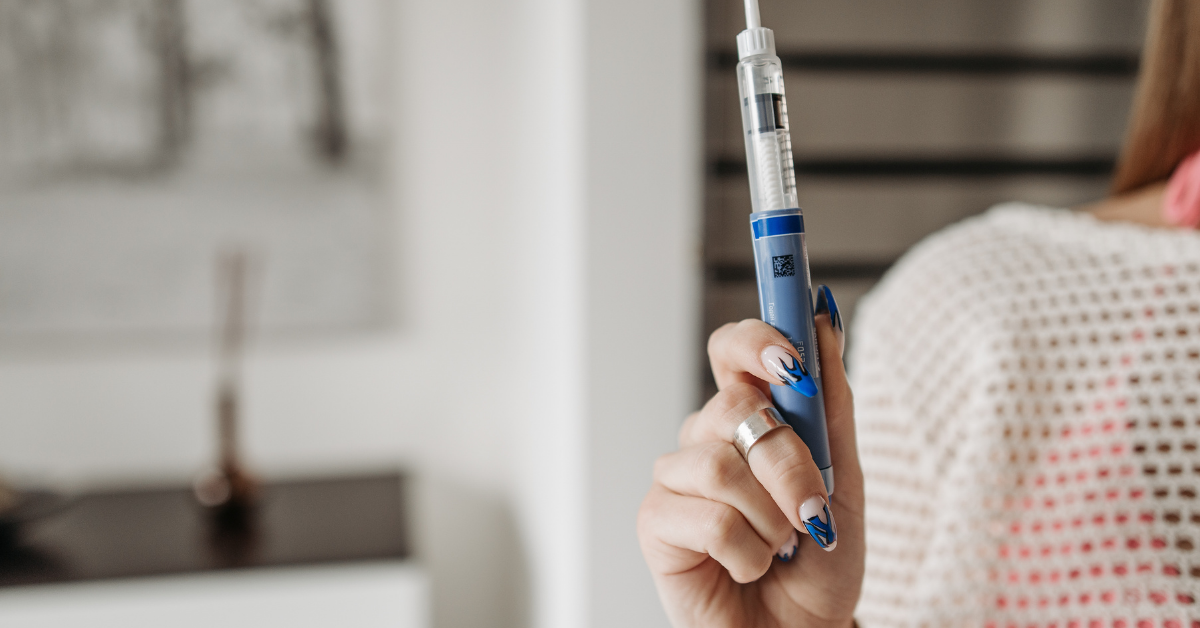
The gold standard in weight loss medications, with 15–20% body weight loss in clinical trials. The needles are very thin and short — most people find them far less intimidating than expected.
Generic Liraglutide (Saxenda)
Now available as a generic, making it a more affordable option. Taken as a daily injection and shown to have meaningful clinical results for weight loss.
Talk to a Licensed Medical Provider
Any licensed medical provider can evaluate whether GLP-1 medication is appropriate for you and walk you through the available options, costs, and insurance coverage.
Evidence-Based Lifestyle Changes
Increased fiber, protein, and exercise, along with improved sleep, are proven ways to naturally support GLP-1 levels in the body — and complement any medical treatment.
Frequently Asked Questions About GLP-1 Patches
Do GLP-1 patches actually contain GLP-1 medication?
No. Despite the name, over-the-counter GLP-1 patches do not contain actual GLP-1 drug ingredients like semaglutide or tirzepatide. They contain herbal supplements in patch form. Actual GLP-1 drugs are patented prescription medications and cannot legally be included in any over-the-counter product.
Why can’t GLP-1 drugs be absorbed through the skin?
Actual GLP-1 drugs are large peptide molecules that cannot pass through the outer protective layer of human skin. No existing patch technology can deliver real GLP-1 drugs into the bloodstream at effective dosages to produce a therapeutic effect.
Are GLP-1 patches safe to use?
While they are unlikely to cause significant harm to most people, they can interact with certain medications and cause stomach problems due to ingredients like berberine. The bigger concern is that relying on them may delay someone from seeking real medical treatment for obesity — a serious health condition that requires proper attention.
Could any of the patch ingredients help with weight loss at all?
Some ingredients like berberine may have a modest metabolic effect — but only when taken orally and at appropriate doses. There is no clinical evidence that these compounds, delivered through a patch, have any significant effect on weight loss. The amounts absorbed through skin are too small, and transdermal delivery is ineffective for these compounds.
Is there a real GLP-1 patch in development that will actually work?
Yes — microneedle patch technology is an active area of research. Early animal and human studies suggest it may eventually deliver real semaglutide through the skin. However, no such product is yet available to patients or FDA approved. Realistically, this is still several years away.
What is the best non-injection alternative to GLP-1 shots right now?
The best available non-injectable alternative is the Wegovy pill — an oral form of semaglutide approved by the FDA in December 2025 for weight management. Taken daily, it was shown to produce 13–14% body weight loss in clinical trials. It is a significant and genuinely convenient option for those who want to avoid injections.