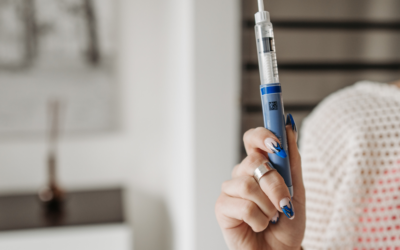

Zepbound has emerged as one of the most discussed weight loss medications in America today, and for a lot of good reasons. However, if you’re someone who has been trying to grasp the idea of what exactly it is and how it relates to GLP-1 medications, things might get a bit confusing. Is Zepbound a GLP-1? Is it different from Ozempic or Wegovy? What makes it so special?
Well, let’s clear the air on everything. For more reliable information on GLP-1 medications, feel free to visit glpweightloss.online.
Is Zepbound a GLP-1?
Zepbound is categorized as a GLP-1 receptor agonist. Therefore, the answer is yes. However, the term “GLP-1” actually represents an understatement. The active ingredient in Zepbound is actually tirzepatide. The term “GLP-1” actually stands for glucagon-like peptide-1. However, the active ingredient in Zepbound actually activates not just the GLP-1 receptor but the GIP receptor as well. The term “GIP” stands for glucose-dependent insulinotropic polypeptide.
This dual-action mechanism makes Zepbound quite different from the majority of the drugs in this family. This dual-action mechanism makes Zepbound more successful in terms of weight loss results compared to single-receptor agonist drugs like semaglutide, which has the brand names Wegovy and Ozempic.
Zepbound was actually developed by Eli Lilly and Company. The medication has been approved by the FDA for the following two uses:
- Chronic weight management in adults with obesity or overweight with a weight-related condition
- Treatment of moderate to severe obstructive sleep apnea in adults with obesity
As of early 2026, Zepbound has become the number one prescribed injectable obesity management medication in the United States.
Zepbound vs. Mounjaro – Same Drug, Different Purpose
I think this is the biggest source of confusion regarding tirzepatide. Zepbound and Mounjaro have the same active ingredients. They are both tirzepatide, and they are both made by the same company. They are just approved for different indications.
| Feature | Zepbound | Mounjaro |
| Active Ingredient | Tirzepatide | Tirzepatide |
| FDA-Approved For | Chronic Weight Management & Obstructive Sleep Apnea | Type 2 Diabetes |
| Mechanism | Dual GLP-1 & GIP receptor agonist | Dual GLP-1 & GIP receptor agonist |
| Dosing Range | 2.5 mg to 15 mg (Weekly Injection) | 2.5 mg to 15 mg (Weekly Injection) |
| Average Weight Loss | ~20.9% (at 15 mg dose) | ~15–20% (secondary to diabetes control) |
Just like Ozempic and Wegovy are the same medication but have different indications and contain semaglutide, Mounjaro and Zepbound are essentially the same medication in different packaging with different indications approved by the FDA. If you are looking for Zepbound for weight loss, you will need your doctor to prescribe it for you under the brand name Zepbound, not Mounjaro, for you to have the best chance of it being covered by your insurance.
How Does Zepbound Work?
Since Zepbound targets both GLP-1 and GIP receptors, it has more avenues for action than an agonist of GLP-1 alone.
GLP-1 activation has several effects, such as reduced hunger through sending signals to the brain of fullness, slowing down digestion to make you feel full for longer, and stimulating insulin release.
GIP activation has several effects as well, such as enhanced suppression of hunger through brain mechanisms, better metabolism of fat in fat cells, and increased insulin sensitivity. Additionally, since GIP is present in fat cells, tirzepatide has more effects than semaglutide.
The combined effect of both is more powerful than either effect alone. This is why clinical trials show that tirzepatide is more effective than semaglutide for weight loss.
How Much Weight Can You Lose on Zepbound?
The clinical results for Zepbound are the most impressive ever recorded for a non-surgical weight loss therapy.
In the SURMOUNT-1 trial, individuals who used the maximum dose of tirzepatide (15 mg/wk) lost an average of 22.5% of their body weight over 72 weeks. This equates to approximately 52 pounds for an individual who weighed 230 pounds.
In the head-to-head SURMOUNT-5 trial comparing tirzepatide to semaglutide at maximum tolerated doses, individuals who used Zepbound lost an average of 50.3 pounds compared to 33.1 pounds for Wegovy. This equates to a 47% greater weight loss advantage for Zepbound.
Zepbound vs. Wegovy — Weight Loss Comparison
| Metric | Zepbound (Tirzepatide) | Wegovy (Semaglutide) |
| Average % Body Weight Loss | 20.2% | 13.7% |
| Average Pounds Lost (SURMOUNT-5) | 50.3 lbs | 33.1 lbs |
| Waist Circumference Reduction | 7.2 inches (18.4 cm) | 5.1 inches (13.0 cm) |
| Relative Weight Loss Advantage | 47% more than Wegovy | — |
These numbers make Zepbound the most effective FDA-approved injectable medication currently available for weight loss.
What Is Zepbound FDA-Approved For?
Zepbound currently holds FDA approval for two indications:
Chronic Weight Management – for adults with a BMI of 30 or higher (obesity) or a BMI of 27 or higher and having one or more weight-related health conditions such as high blood pressure, high cholesterol, type 2 diabetes, or cardiovascular disease. It must be used in addition to a reduced-calorie diet and exercise.
Obstructive Sleep Apnea (OSA) – for adults with moderate to severe obstructive sleep apnea and obesity. Zepbound was the first drug treatment ever approved by the FDA to treat the condition. The FDA gave its approval in late 2024. During clinical trials, the drug was able to reduce the number of breathing disruptions by up to 58.7 percent.
The sleep apnea indication is also noteworthy for insurance coverage. If your plan doesn’t cover GLP-1s for weight loss, it might cover Zepbound when prescribed to treat sleep apnea.
Zepbound Side Effects – What to Expect
Just like with all GLP-1 receptor agonists, the most common adverse effects of Zepbound include gastrointestinal problems. These usually manifest when first starting the medication or increasing the dose, but they will improve as the body adjusts.
The common adverse effects include nausea, diarrhea, constipation, vomiting, stomach pain, and heartburn. To counter this, the doctor will start the patient on the lowest dose of 2.5 mg per week and gradually increase it every four weeks.
The more serious adverse effects include pancreatitis, gallbladder problems, kidney problems from dehydration, and hypoglycemia when used in combination with insulin or sulfonylureas. Zepbound has a boxed warning regarding thyroid C-cell tumors from animal studies. It is contraindicated in people with a personal or family history of medullary thyroid carcinoma (MTC) or Multiple Endocrine Neoplasia syndrome 2 (MEN 2).
Zepbound is not for pregnant women and should not be used in combination with other GLP-1 receptor agonists or with other tirzepatide-containing products.
How Is Zepbound Different From Ozempic and Wegovy?
This is worth spelling out clearly since all three get lumped together in conversation.
| Feature | Zepbound | Wegovy | Ozempic |
| Active Ingredient | Tirzepatide | Semaglutide | Semaglutide |
| Receptor Targets | GLP-1 + GIP (Dual Agonist) | GLP-1 Only | GLP-1 Only |
| FDA-Approved For | Weight Loss & Sleep Apnea | Weight Loss & Cardiovascular Risk | Type 2 Diabetes |
| Average Weight Loss | ~20–22% | ~13–15% (up to 21% with 7.2mg) | ~5–10% |
| Weekly Injection | Yes | Yes | Yes |
| Pill Form Available | No (Injectable Only) | Yes (Wegovy Pill approved Dec 2025) | No (Rybelsus is the T2D oral version) |
The key difference: Ozempic and Wegovy are single-receptor GLP-1 agonists, meaning they contain semaglutide. Zepbound is a dual-receptor drug, meaning it contains tirzepatide, which works on both the GLP-1 and GIP receptors at the same time – resulting in greater weight loss compared to single-receptor GLP-1 agonists in head-to-head studies.
Who Is a Good Candidate for Zepbound?
Zepbound is appropriate for adults who meet at least one of these criteria:
- BMI of 30 or higher (clinical obesity)
- BMI of 27 or higher with at least one weight-related health condition (high blood pressure, type 2 diabetes, high cholesterol, cardiovascular disease, or sleep apnea)
This is something worth considering if you have already tried a single-receptor GLP-1 drug and want something stronger, or have sleep apnea in addition to obesity. This is because people who don’t do well on semaglutide tend to do better on tirzepatide.
Zepbound is not recommended for those with a history of medullary thyroid carcinoma or MEN2, those who are pregnant or breastfeeding, or those who have had pancreatitis. Always consult with a licensed healthcare provider about any medical history before starting any medication.
Zepbound is currently available as a weekly injectable in a single-dose pen or in Lilly’s newly launched KwikPen, which contains a full month of doses in one pen. Through Lilly’s self-pay platform, LillyDirect, the monthly cost is just $299 for the lowest starting dose. Visit glpweightloss.online for information on getting Zepbound at an affordable price, as well as what is covered by insurance.
Frequently Asked Questions
Is Zepbound a GLP-1 medication?
Yes and no, as it belongs to the GLP-1 receptor agonist category of medication, although it does so in a slightly more advanced manner by activating the GIP receptors as well. It is best defined as a dual GIP and GLP-1 receptor agonist. This makes it superior to the GLP-1 receptor agonist Wegovy in clinical trials.
Is Zepbound the same as Mounjaro?
Both have the same active ingredient, which is tirzepatide, and it is made by Eli Lilly. Zepbound has FDA approval for the treatment of chronic weight management and sleep apnea, whereas Mounjaro has FDA approval for the treatment of type 2 diabetes. Insurance will cover both drugs, but they will fall into different benefit categories.
How is Zepbound different from Ozempic?
The difference in the two drugs is that Ozempic activates GLP-1 receptors with its active ingredient semaglutide, whereas Zepbound activates both GLP-1 and GIP receptors with its active ingredient tirzepatide. In head-to-head trials, Zepbound has shown 47 percent more weight loss than semaglutide. Ozempic is also not approved for the treatment of weight loss, only for the treatment of diabetes.
How much does Zepbound cost?
Without insurance, the list price for Zepbound is over 1,000 dollars per month. Eli Lilly does have a self-pay option called LillyDirect for 299 dollars per month for the starting dose. Insurance plans offered by employers that include weight loss will have copays much lower than this. Medicare has approved Zepbound for coverage starting in July 2026 for the Medicare GLP-1 Bridge program.
Does Medicare cover Zepbound?
Not for weight loss, currently under standard rules. However, some Medicare Part D plans will cover Zepbound for obstructive sleep apnea, provided it is appropriate for you. Beginning in July 2026, Medicare Part D eligible patients will have access to Zepbound for weight management at a copayment of 50 dollars per month with the Medicare GLP-1 Bridge program.
Is Zepbound the best GLP-1 for weight loss?
Is it the best option for me? Yes, based on the clinical data currently available, tirzepatide (Zepbound) is the best option for those looking for an FDA-approved injectable for weight loss because it beats semaglutide (Wegovy) in head-to-head clinical trials in every category. Of course, it will depend on your individual situation and which drugs you are currently taking, so it is always best to consult your doctor.
Resources
https://zepbound.lilly.com/weight/what-is-zepbound
https://www.cms.gov/medicare/coverage/prescription-drug-coverage/medicare-glp-1-bridge
https://www.health.com/zepbound-compared-to-ozempic-wegovy-mounjaro-8401591
https://laviemd.us/the-ultimate-guide-to-ozempic-vs-wegovy-vs-zepbound/
https://www.healthline.com/health-news/zepbound-weight-loss-questions-answered
https://www.medicalnewstoday.com/articles/drugs-zepbound
https://www.dramersi.com/blog/ozempic-wegovy-mounjaro-zepbound-whats-the-difference
https://www.healthline.com/health/drugs/how-does-zepbound-work