
Whether or not you’ve heard about Ozempic on the news, Wegovy on social media, or your doctor mentioned a GLP-1 drug during your last doctor’s appointment, the fact remains that you’re certainly not alone in your desire to know more about just what GLP-1 medications actually are and how they work. GLP-1 medications have been a game-changer in the treatment of type 2 diabetes and obesity in the last few years. And with more on the market, including the first daily pill, knowing what GLP-1 medications are has never been more relevant. Here’s everything you need to know. For more information on the medications, coverage, and cost, visit glpweightloss.online.
The Simple Definition
GLP-1 medications, which are formally called GLP-1 receptor agonists, are a class of medication that work by mimicking the effects of a natural hormone in the body after eating. This hormone is called glucagon-like peptide-1, or GLP-1 for short.
The body normally releases GLP-1 after eating, which triggers the release of insulin, slows down digestion, and sends signals to the brain about fullness. This hormone is a natural appetite suppressant and helps regulate blood sugar. The bad news is that the body’s own version of GLP-1 is destroyed after just one or two minutes, which is simply too short a time for any medication to have an extended impact on the body. GLP-1 medications work by artificially extending the effects of GLP-1 for hours or even days. This extended use of the GLP-1 receptor helps lower blood sugar, reduce appetite, slow down digestion, and, in most people, results in significant weight loss. They are sometimes called incretin mimetics, GLP-1 analogs, or GLP-1 RAs. All of these terms refer to the same class of medication.
How Do GLP-1 Medications Work?
They work through four main pathways simultaneously:
Blood sugar regulation: They work to release insulin when levels of sugar in the blood are high, and at the same time, work to stop glucagon, the hormone that increases levels of sugar in the blood. The most significant feature of this is its glucose-dependent action, which means insulin is released when levels of sugar in the blood are high. This greatly reduces the risk of hypoglycemia, as was common with older treatments for diabetes.
Appetite suppression: GLP-1 receptors are located in the hypothalamus and brainstem, which are responsible for regulating hunger. The activation of these receptors actually makes you feel less hungry.
Slowed digestion: GLP-1 drugs work to slow down how quickly food leaves the stomach, keeping you feeling fuller for longer.
Food noise reduction: A majority of people who take these drugs note a reduction in thoughts about food, which is actually true and has been documented as an effect of GLP-1 drugs.
The Complete List of FDA-Approved GLP-1 Medications
As of early 2026, there are eleven FDA-approved GLP-1 medications in the United States. They fall into two broad categories – those primarily for type 2 diabetes, and those approved for weight management.
GLP-1 Medications for Type 2 Diabetes
| Brand Name | Generic Name | Frequency |
| Ozempic | Semaglutide injection | Once weekly |
| Rybelsus | Oral semaglutide | Once daily |
| Mounjaro | Tirzepatide injection | Once weekly |
| Trulicity | Dulaglutide injection | Once weekly |
| Victoza | Liraglutide injection | Once daily |
| Byetta | Exenatide injection | Twice daily |
| Bydureon BCise | Exenatide extended-release | Once weekly |
GLP-1 Medications for Weight Management
| Brand Name | Generic Name | Frequency |
| Wegovy (injection) | Semaglutide injection | Once weekly |
| Wegovy (pill) | Oral semaglutide | Once daily |
| Zepbound | Tirzepatide injection | Once weekly |
| Saxenda / generic | Liraglutide injection | Once daily |
Several key points to note from this list: Both Ozempic and Wegovy contain the active ingredient Semaglutide. They just have different dosages and were approved by the FDA for different uses. The same goes for Mounjaro and Zepbound. They both contain the active ingredient Tirzepatide. They are considered two entirely separate drugs in the medical world. The oral Wegovy pill was approved by the FDA in December 2025. This is the first oral GLP-1 medication approved in the United States for weight loss.
GLP-1 vs. Dual GIP/GLP-1 Medications
But not all medications in this class are created equally. Most medications in the GLP-1 class work on one receptor. But tirzepatide works on two receptors at once: both the GLP-1 receptor and the GIP receptor (short for glucose-dependent insulinotropic polypeptide). This two-receptor approach has consistently delivered better results. In head-to-head studies, tirzepatide resulted in 47 percent greater weight loss compared to semaglutide. For blood sugar control, tirzepatide outperformed semaglutide at all doses tested. GIP works on many aspects of metabolism beyond just insulin sensitivity and appetite suppression.
What Are GLP-1 Medications Used For?
When they launched, GLP-1 medications were used exclusively for type 2 diabetes. That scope has expanded significantly.
Currently, FDA-approved uses include:
- Type 2 diabetes management
- Chronic weight management (obesity/overweight with health conditions)
- Cardiovascular risk reduction (Wegovy in adults with obesity and heart disease)
- Moderate to severe obstructive sleep apnea (Zepbound)
- Metabolic dysfunction-associated steatohepatitis — MASH / fatty liver disease (Wegovy)
- Diabetic nephropathy/kidney disease risk reduction (Ozempic)
GLP-1 drugs are also currently under investigation for Alzheimer’s disease, Parkinson’s disease, substance use disorders, polycystic ovary syndrome (PCOS), prevention of prediabetes, osteoarthritis, and heart failure with preserved ejection fraction. The full therapeutic potential of this class of drugs is yet to be determined.
How Are GLP-1 Medications Taken?
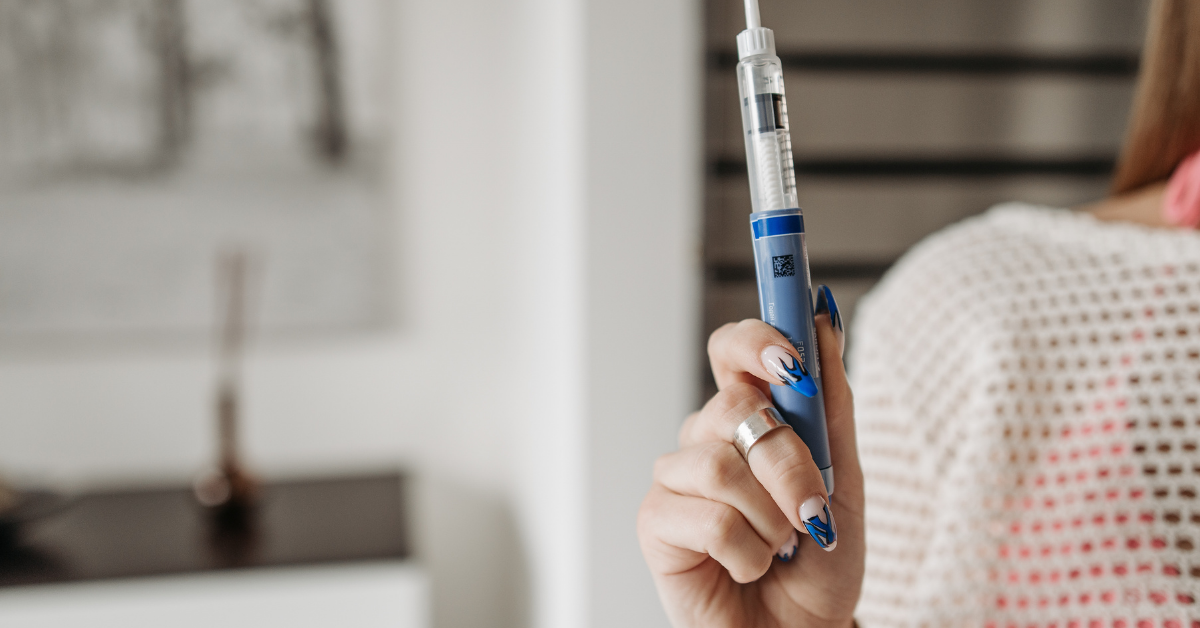
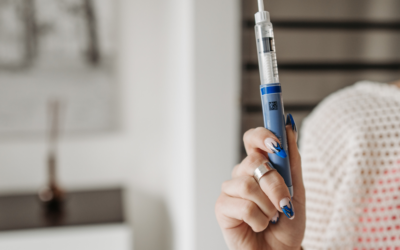
The majority are injections given under the skin into areas such as the abdomen, outer thigh, or upper arm, and are administered via a pre-filled pen device. The majority of the most commonly used ones involve a once-weekly injection, which is easily doable for most people. As of early 2026, there are two oral pill forms available: Rybelsus (taken once a day for diabetes management) and the newly launched oral weight management drug, Wegovy. There is another oral weight management drug currently in development called orforglipron, which is a non-peptide GLP-1 pill that can be taken at any time of day without food restrictions. This drug is expected to possibly be approved for use later in 2026.All GLP-1 medications are prescription medications. They are not available over-the-counter. Any product on the market claiming to be a “GLP-1 medication” and available for purchase without a prescription is actually a supplement and contains no pharmaceutical-grade GLP-1.
Side Effects
As mentioned above, the general side effects of GLP-1 drugs are the same across the group. The most common side effects include gastrointestinal symptoms such as nausea, vomiting, diarrhea, constipation, and stomach discomfort. These symptoms tend to be more intense in the early weeks of therapy or when the dosage is increased. These symptoms tend to lessen over time as the body adjusts. This is why doctors use the following approach: they use the smallest dose possible and gradually increase the dose over several months. This may take as long as 16 to 20 weeks to get to the actual dose needed.
Other rare but serious adverse effects include pancreatitis, gallbladder problems, and kidney failure from dehydration. All GLP-1 drugs have a boxed warning about the possibility of thyroid C-cell tumors in animal studies. These drugs are not recommended for individuals who have a family or personal history of medullary thyroid carcinoma (MTC) or Multiple Endocrine Neoplasia syndrome of Type 2 (MEN2). They are not safe for pregnant individuals and must not be used in combination with other GLP-1 receptor agonist drugs.
Who Qualifies for GLP-1 Medications?
The eligibility is based on what medication is needed and for what it is needed. For weight management, the FDA requirements are based on a BMI of 30 or higher, which is considered obesity. Alternatively, it can be based on a BMI of 27 or higher and at least one weight-associated health condition like high blood pressure, type 2 diabetes, high cholesterol, or cardiovascular disease. For type 2 diabetes, your doctor will determine what your entire need is for diabetes management. They can prescribe a GLP-1 medication in addition to or instead of other medications. Other factors include your entire history, any history of contraindications, other medications, and personal preference for injections or pills.
How Much Do GLP-1 Medications Cost?
List prices vary but are generally high for weight management medications without coverage:
- Wegovy injection: approximately $1,350 per month at list price
- Zepbound: approximately $1,100 per month at list price
- Oral Wegovy: lower introductory pricing available in early 2026
- Saxenda / generic liraglutide: more affordable, especially with the 2025 generic approval
Most insurance plans cover GLP-1s for the treatment of type 2 diabetes. Weight loss GLP-1s tend to be less insured. Around 49 percent of large employer plans cover weight loss GLP-1s as of 2025. Medicare has recently introduced the Medicare GLP-1 Bridge program. The program is set to launch in July 2026. The program has a copayment of $50 monthly Manufacturer savings programs from Novo Nordisk and Eli Lilly can help patients save money. Discount prescription sites may be useful if insurance coverage does not help. For more information about accessing GLP-1s for weight loss affordably, go to glpweightloss.online.
Frequently Asked Questions
What is a GLP-1 medication in simple terms?
A GLP-1 medication is a type of prescription medicine that is modeled on a hormone found in the gut, known as glucagon-like peptide-1. It helps to regulate blood sugar levels, suppresses appetite, slows down digestion, and helps with weight loss. The most common types of GLP-1 drugs are known as Ozempic, Wegovy, Mounjaro, and Zepbound.
Are GLP-1 medications only for diabetes?
No. Although they were first introduced to treat type 2 diabetes, several types of GLP-1 drugs are now FDA-approved to treat various conditions, including weight management, heart-related problems, obstructive sleep apnea, and metabolic liver disease. Research is currently underway to explore more potential applications, such as Alzheimer’s, addiction, and kidney disease.
What is the difference between Ozempic and Wegovy?
They both contain semaglutide, but they are two separate FDA-approved drugs. While Ozempic is approved for type 2 diabetes and has an injection strength of up to 2mg per week, Wegovy is approved for chronic weight management with an injection strength of up to 2.4mg per week, or 25mg daily as a pill. The insurance and prescribing guidelines for both drugs are very different.
Which GLP-1 medication is the most effective for weight loss?
Currently, as of early 2026, the best evidence for weight loss is with tirzepatide (Zepbound), which results in 20% to 22% body weight reduction in studies, which is 47% higher than semaglutide in direct comparison. Semaglutide (Wegovy) is currently in second place, resulting in an average weight reduction of 15% at standard doses.
Do GLP-1 medications require injections?
Most of the currently available options do, although the frequency of injections varies; some can be injected as little as once per week. Oral options for GLP-1 are now available, however. Rybelsus is an oral tablet for type 2 diabetes, while the newly approved pill formulation of Wegovy, approved in December 2025, is for weight management. Further oral options, like orforglipron, are expected to be released in 2026.
Can you stop taking GLP-1 medications once you reach your goal weight?
Most studies have concluded that weight is regained after discontinuation of GLP-1 medications, as the weight-reducing effects cease. Most medical experts agree that obesity is a chronic condition requiring long-term therapy, just like high blood pressure or cholesterol medication. Your doctor can advise on what long-term approach is best for your individual situation.
Resources
https://www.ncbi.nlm.nih.gov/books/NBK551568/
https://pmc.ncbi.nlm.nih.gov/articles/PMC5556578/
https://pmc.ncbi.nlm.nih.gov/articles/PMC11754396/
https://my.clevelandclinic.org/health/treatments/13901-glp-1-agonists
https://www.endocrinologyadvisor.com/ddi/glp-1-agonists/
https://www.goodrx.com/classes/glp-1-agonists/glp-1-drugs-comparison
https://pmc.ncbi.nlm.nih.gov/articles/PMC10533252/
https://pmc.ncbi.nlm.nih.gov/articles/PMC12860981/