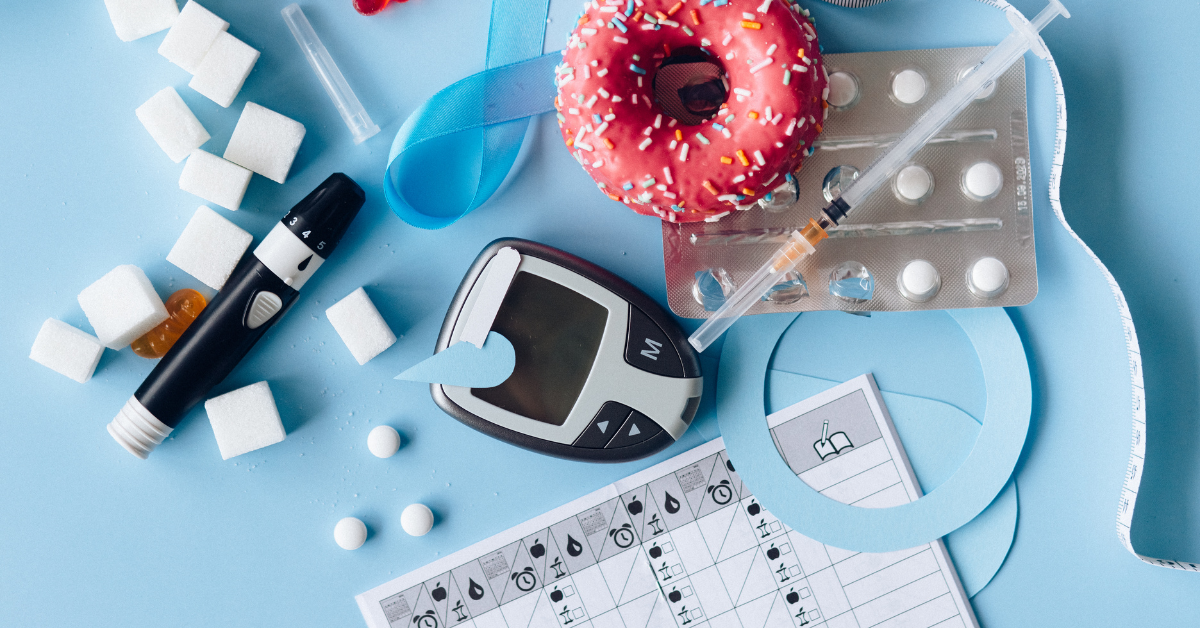

Considering that GLP-1 medications like Ozempic and Wegovy are currently in the spotlight, one can’t help but wonder where metformin is in this equation. Metformin is one of the most prescribed medications in the world for type 2 diabetes, and people hear about it in conjunction with GLP-1 medications. So, is metformin a GLP-1 medication? Is it even similar to GLP-1 medications? Can one use them together?
Let’s clarify this once and for all. For more information on GLP-1 medications and weight loss, visit glpweightloss.online.
Is Metformin a GLP-1?
Metformin is not a GLP-1 medication. These two medications are from different classes, have different mechanisms of action, different histories, different approval dates, and different use profiles. Metformin is a biguanide, which is a medication that has been in use since the 1950s in Europe and since 1994 in the United States, when it was approved by the FDA. Metformin is one of the oldest, most studied, and most cost-effective medications for diabetes treatment. GLP-1 medications, which include Ozempic, Wegovy, Mounjaro, and Zepbound, are from a different class, which is called GLP-1 receptor agonists, and were approved by the FDA in 2005. These medications have a different mechanism of action, which is to mimic a hormone found in the intestine called glucagon-like peptide-1. These two medications are from different classes of medications. Metformin is sometimes referred to as a GLP-1 medication, which is like saying a bicycle is a car. A bicycle and a car can both take you to your destination, but they do so in different ways.
How Metformin Works
To grasp the difference, it is helpful to understand what metformin does.
The first thing metformin does is slow the amount of sugar that is released into the blood. The problem for most people with type 2 diabetes is that their livers produce too much sugar, especially during the night. Metformin slows this down. The drug also helps the cells in the body respond to insulin. This is called insulin resistance, which is the key problem for people with type 2 diabetes. Metformin helps the insulin work better, which reduces the blood sugar level. However, unlike many other diabetes medicines, metformin does not increase the amount of insulin the pancreas produces. The big advantage is that metformin works on the insulin the body is producing. It does not stimulate the pancreas to produce more. Therefore, when using metformin alone, the risk of a potentially fatal side effect called hypoglycemia is very low. The drug is a pill, generic for many years, and a fraction of the cost of other new diabetes medicines. It is only a few dollars a month.
How GLP-1 Medications Work – and Why They’re Different
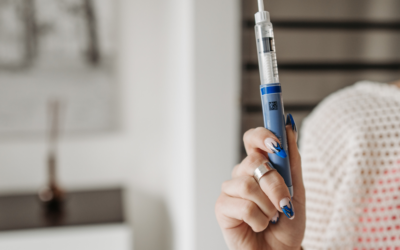
GLP-1 receptor agonists, however, have a completely different mechanism of action to achieve their purpose. Instead of affecting your liver or increasing insulin sensitivity, GLP-1 receptor agonists mimic a natural hormone called glucagon-like peptide-1, which is released by your digestive system in response to food. This hormone tells your pancreas to release more insulin when you have high blood glucose levels, reduces blood glucose levels by inhibiting another hormone called glucagon, delays emptying your stomach, and sends signals to your brain to feel full. GLP-1 receptor agonists mimic this action for hours or even days at a time. What this means is that, in addition to controlling your blood glucose levels, you will be able to suppress your appetite, food cravings, and most likely lose a lot of weight. That is the main difference between them: they actually suppress your appetite and food intake, something that metformin cannot do.
Metformin vs. GLP-1 Medications — Key Differences
| Feature | Metformin | GLP-1 Medications |
| Drug Class | Biguanide | GLP-1 Receptor Agonist (or Dual GIP/GLP-1) |
| Primary Mechanism | Reduces liver glucose production; improves insulin sensitivity. | Mimics gut hormones; slows gastric emptying; signals satiety to the brain. |
| FDA Approved Since | 1994 | 2005 (Byetta); 2014–2023 (Modern weight-loss versions) |
| Primary Use | First-line Type 2 Diabetes (T2D) treatment. | T2D, Chronic Weight Management, Heart Disease, Sleep Apnea. |
| Weight Loss Effect | Modest (Typically 2–5 lbs; mostly weight-neutral). | Significant (15–22% of body weight with modern high-dose versions). |
| Form | Daily pill (Standard or Extended Release). | Weekly injection or Daily pill (Wegovy Pill approved Dec 2025). |
| 2026 Cost (No Insurance) | ~$4 – $30/month (Highly affordable generic). | $1,000 – $1,350/month (Brand); ~$50 – $150 (New 2026 Generics). |
| Cardiovascular Benefit | Neutral to slightly positive. | Proven Reduction in risk of heart attack and stroke. |
| Common Side Effects | Diarrhea, nausea, metallic taste. | Nausea, vomiting, constipation, “sulfur burps.” |
The difference in weight loss is the greatest difference. Metformin causes a small weight loss, usually expressed in pounds, mainly as a result of improved control of blood sugar levels and reduction of calorie absorption. GLP-1 drugs, on the other hand, cause an average weight loss of 15 to 20 percent of the patient’s weight as a result of their direct effect on centers for hunger and fullness in the brain.
Does Metformin Have Any GLP-1-Like Effects?
Now, this is where it really gets interesting. Even though metformin is not an anti-diabetic GLP-1 receptor agonist, there is a small amount of evidence suggesting it may gently influence GLP-1 levels as a secondary effect of its primary function. Researchers have found that metformin may stimulate the production of endogenous GLP-1 in the cells of the intestine. In addition, metformin may slow the breakdown of GLP-1 by inhibiting an enzyme called DPP-4. This may explain why there is a small reduction in appetite and weight loss with metformin, a small secondary effect beyond its primary function of improving insulin sensitivity. It is essential to note that metformin is not intended to influence GLP-1 receptors; it has no FDA approval for weight loss; and it results in a dramatic percentage of weight loss compared with a real GLP-1 drug. Metformin’s “GLP-1 adjacent” effects are a small footnote, not a primary feature.
Can You Take Metformin and a GLP-1 Together?
Yes, and this is a very common combination. Since metformin and GLP-1 drugs have very different mechanisms of action, they make a very good combination. This combination of drugs is often used in patients who suffer from type 2 diabetes.
The mechanism of action of metformin involves regulating blood sugar levels in the liver. GLP-1 drugs stimulate insulin production in response to meals, reduce hunger, and perform several functions in regulating blood sugar levels. This combination of drugs makes a very powerful team. The 2025 recommendations of the American Diabetes Association have now recognized GLP-1 drugs as a first-line therapy for patients who suffer from cardiovascular disease, kidney disease, or obesity. In most patients, however, metformin as a first-line drug and GLP-1 drugs as a secondary drug for additional glucose control make a very good combination. The precaution that has to be taken when using these drugs in combination is that both of them cause gastrointestinal side effects. A very common precautionary measure that most doctors follow in such cases is to start one of the drugs at a low dose.
Which Is Better – Metformin or a GLP-1?
This all depends on the person. There are no correct or wrong answers.
Metformin has a proven track record, is extremely cheap, comes in a convenient pill, and works well for managing blood sugar levels for many with type 2 diabetes. If cost, convenience, and simplicity are your priorities, and significant weight loss is not a priority, then metformin remains a highly rational first-line choice. The GLP-1 drugs are significantly more effective for weight loss, as well as having other benefits for cardiovascular disease, kidney disease, sleep apnea, and liver disease that are not seen with metformin. For those with obesity, cardiovascular disease, or who need more aggressive control of their blood sugar levels, a GLP-1 drug may be a better choice or a desirable adjunct to metformin therapy. The evidence shows that GLP-1 drugs are more effective than metformin for reducing blood sugar levels as a first-line therapy. They produce larger HbA1c reductions with fewer additional glucose-lowering medications over time. However, the high cost and need to inject a drug are significant barriers to using these drugs as first-line therapy.
Your doctor is the right person to help you make this decision based on your overall health picture, including your blood sugar levels, weight, heart disease risk, kidney function, insurance coverage, and your own preferences. For more information about how GLP-1 medications compare to other treatment options and how to access them at a cost that works for you, visit glpweightloss.online.
Frequently Asked Questions
Is metformin a GLP-1 medication?
No. Metformin is a biguanide, a completely different class of medication, which has been available for decades, at least since the 1990s. GLP-1 is a newer class of medication that is similar to a hormone found in the gut, called glucagon-like peptide-1. These are different mechanisms. They are used to treat type 2 diabetes, but they are different types of medication.
Does metformin affect GLP-1 levels at all?
Some studies have found that metformin has a mild, secondary effect of increasing natural GLP-1. However, this is not its main action, and it is a much weaker effect than that of a GLP-1 receptor agonist medication. Metformin is not a GLP-1 medication. It is not classified or used as such.
Which causes more weight loss: metformin or a GLP-1?
GLP-1 has a greater effect on weight loss. Metformin causes a mild weight loss of a few pounds. GLP-1 receptor agonists such as Wegovy and Zepbound have been shown in clinical trials to cause a weight loss of 15 to 20 percent of body weight through their action on appetite centers in the brain.
Can metformin and GLP-1 medications be taken together?
Yes, and this is a common combination used in the treatment of diabetes. The two drugs work in different ways and complement each other well. Doctors often prescribe the combination of metformin and a GLP-1 drug for patients who need tight blood sugar control or help with weight management. The side effects of the drugs should also be monitored because both drugs cause gastrointestinal discomfort as a side effect.
Is metformin cheaper than GLP-1 medications?
Significantly so. The generic version of metformin is available for a few dollars a month with or without insurance coverage. The cost of GLP-1 drugs such as Wegovy and Zepbound is over $1,000 a month without insurance coverage. This is a significant factor that plays a role in the treatment of the majority of patients with diabetes.
Should I switch from metformin to a GLP-1?
That depends on your individual health circumstances. If you can control blood sugars with metformin and do not need to worry about weight management, then there is no need to make any changes. However, if you have conditions such as obesity, cardiovascular disease, or kidney disease, then your doctor may decide that the best course of treatment is a GLP-1 drug.
Resources
https://www.ncbi.nlm.nih.gov/books/NBK518983/
https://www.ncbi.nlm.nih.gov/pmc/articles/PMC6520897/
https://www.diabetes.org/diabetes/medication-management/oral-medications/type-2
https://www.nejm.org/doi/full/10.1056/NEJMoa2032183
https://www.nejm.org/doi/full/10.1056/NEJMoa2206038
https://www.mayoclinic.org/drugs-supplements/metformin-oral-route/description/drg-20067074
https://www.mayoclinic.org/drugs-supplements/semaglutide-subcutaneous-route/description/drg-20406730
https://www.thelancet.com/journals/lancet/article/PIIS0140-6736(21)01324-6/fulltext