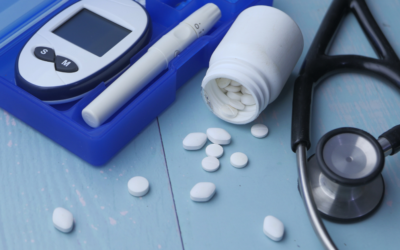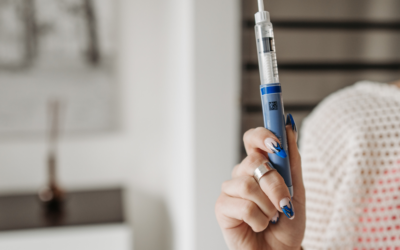


If you have been searching for information regarding weight loss and diabetic medications lately, you may have come across “microdosing GLP-1.” You might have stumbled upon this term while browsing through various online platforms, health-related groups, and even people using semaglutide and related medications. But do you know what microdosing GLP-1 is all about? Is it really safe? Does it offer any advantages? This article will tackle these inquiries. It will not be difficult or confusing; rather, it will cover microdosing GLP-1 and its effectiveness.
What Are GLP-1 Medications
However, before discussing microdosing, let’s get acquainted with GLP-1 medicines and their high popularity among patients.
The abbreviation GLP-1 means glucagon-like peptide-1, a hormone that occurs naturally in your body when you are having your meals. In its turn, GLP-1 works to control blood sugar and food intake in humans, which contributes to the great popularity of GLP-1 drugs. If you use GLP-1 drugs, your body will react positively to food consumption. You will feel satisfied quickly, you will stay satisfied for a long time, and finally, you won’t feel hungry anymore all day long.
So to say, GLP-1 drugs have positive effects because they:
- Allow insulin secretion
- Increase the rate of digestion
- Lower appetite and food cravings
- Help control blood sugar levels
This combination is what makes them so effective – and also why people are now experimenting with different ways of using them, including microdosing.
What Does “Microdosing GLP-1” Actually Mean?
Microdosing GLP-1 means administering the substance in small quantities compared to what is considered a standard dose, especially when the frequency or duration is more frequent than the prescription requires. The conventional protocol for increasing dose intensity is not followed, and instead, microdosing relies on keeping the dosage low, even as attempts are made to enjoy the advantages. Although there is no official definition of microdosing, it is relatively easy to understand from the perspective below: Take just enough of the drug to ensure metabolic functions and satiation without making a full-scale effort. Those interested in microdosing usually choose to take it for the experience.
Why Are People Microdosing GLP-1?
Microdosing does not just happen to be an arbitrary phenomenon; it is normally driven by something specific. Some are seeking a middle ground between using drugs at higher dosages and solely depending on lifestyle changes. There are no great weight reduction goals or appetite control needs, but a bit of help is needed.
Below is a list of some of the reasons people choose microdosing:
- To avoid side effects such as fatigue or nausea
- For more stable weight reduction as opposed to quick loss
- If they are sensitive to drug dosages
- If they want to retain their gains once they reach their ideal weight
- If they wish to have control of their appetite without feeling “too constricted.”
In other words, it’s all about feeling more in control.
How Microdosing GLP-1 Works in the Body
Even when taking smaller amounts of GLP-1 drugs, there will still be an interaction between the medicine and your body’s hormone system. The only difference here is that it will be much milder compared to the previous case. While the consumption of greater drug amounts will make one lose their appetite, the smaller amount just makes one adhere to a healthy diet.
You might experience:
- A slight decline in hunger
- Feeling satiated with smaller portions of food
- Cravings for calorie-rich foods are decreased
- Having steady energy levels all day long
In this way, you don’t need to change your diet to attain better outcomes.
Microdosing vs Standard GLP-1 Dosing
Understanding the concept of microdosing will become easier once it is compared with traditional approaches. Traditionally, the way to deliver GLP-1 usually involves increasing the dose until it reaches a level that noticeably influences appetite regulation and blood sugar levels. On the other hand, microdosing deliberately keeps the dosage on the lower end.
Key distinctions between the two are:
- Traditional dosing maximizes the medicinal effect
- Microdosing minimizes the amount of support needed
- Traditional dosing achieves quick weight reduction
- Microdosing generates slower but more consistent progress
In essence, both methods have their unique strengths, and which is more appropriate entirely depends on one’s goals.
Potential Benefits of Microdosing GLP-1
Microdosing provides certain benefits, particularly to those who do not require full-dose therapy. The primary benefit is that microdosing gives an individual the ability to maintain balance while consuming drugs. Unlike full-dose therapy, which causes a complete loss of appetite, microdosing gives one the freedom to eat while receiving help from the medication.
Some potential benefits include:
- Reduced risk of common side effects
- More gradual and sustainable weight loss
- Better tolerance for long-term use
- Greater flexibility in managing eating habits
- A more “natural” feeling compared to higher doses
For many people, this approach feels less overwhelming and easier to maintain.
Possible Downsides to Consider
Although microdosing appears to be a tempting option, it does have its drawbacks. The smaller dosage might mean that the results would be weaker as well. There is a chance that some people would not notice any changes in their appetite and weight. It is vital to remain grounded in terms of expectations.
Here are a few potential drawbacks:
- Slower or minimal weight loss results
- Less impact on blood sugar compared to full dosing
- Not always supported by standardized medical guidelines
- May require more trial and error to find the right balance
This is why medical guidance is especially important if you’re considering this approach.
Is Microdosing GLP-1 Safe?
The question of safety plays a significant role in relation to the practice of microdosing. Overall, the class of GLP-1 drugs has been studied and extensively applied. On the other hand, the practice of microdosing is not necessarily reflected in prescribing instructions. This does not mean that it is dangerous, but it requires a cautious approach towards its implementation.
Here’s what matters most:
- Always follow a healthcare provider’s guidance
- Avoid self-adjusting doses without medical input
- Monitor how your body responds over time
- Be aware of any side effects, even at low doses
Under proper conditions and control, such a technique can be justified in certain cases, although not in all circumstances.
Who Might Consider Microdosing GLP-1?
Microdosing is not suitable for everybody, but some individuals might find it ideal for themselves. People who would prefer something less intense and not necessarily a treatment method would likely be attracted by microdosing.
You might consider microdosing if:
- You’re just starting and want to ease into treatment
- You’ve experienced side effects at higher doses
- You’re maintaining weight loss after reaching your goal
- You want support without aggressive appetite suppression
That said, it’s always important to weigh your options with a healthcare provider.
How Microdosing Fits Into a Bigger Weight Loss Strategy
It should be kept in mind that any drug, whether microdosed or not, does not function alone.A more effective solution would include the use of the drug along with other healthy habits.
This includes:
- Eating balanced, nutrient-rich meals
- Staying physically active
- Managing stress and sleep
- Building long-term consistency
Microdosing can help serve as an assistive method, allowing you to remain committed to your goals while avoiding feelings of being overwhelmed. For anyone interested in more information about integrating GLP-1 drugs into their daily lives, check out https://glpweightloss.online/.
Key Takeaways
Microdosing of GLP-1 is an emerging concept, where one uses small amounts of medication to produce a softer effect. Microdosing will not have the potency of a full dose, but it can help you create balance in your life. It comes down to knowing what you want from GLP-1 and paying attention to how your body reacts to the drug.
Frequently Asked Questions (FAQs)
What exactly is microdosing GLP-1?
Microdosing GLP-1 refers to the administration of a dose that is less than what is usually recommended by the health provider for a particular GLP-1 drug. Microdosing will be used to minimize negative side effects and maximize its benefits.
Does microdosing GLP-1 still help with weight loss?
Yes, microdosing can lead to weight loss; however, this occurs slowly since lower doses result in minimal suppression of hunger and faster metabolism. Weight loss can also occur if one lives a healthy life.
Is microdosing GLP-1 officially recommended?
Microdosing will not be in all health protocols because different people will be administered various dosages. However, some physicians will administer low dosages depending on their preference.
Can microdosing reduce side effects?
In many instances, the answer would be positive. Low doses imply that fewer side effects occur. Digestive system disorders are likely to cause less distressing symptoms in such a case.
Who should avoid microdosing GLP-1?
If one requires strict glucose regulation and drastic weight reduction, he/she will be unable to gain from microdosing insulin. It is recommended to apply the whole dose of this medicine in order to achieve optimal results.
Where can I learn more about GLP-1 and dosing options?
Those who seek reliable and easy-to-understand info about microdosing should refer to https://glpweightloss.online/.
Resources
https://my.clevelandclinic.org/health/treatments/13901-glp-1-agonists
https://ndclist.com/ndc/0169-4505/label
https://www.accessdata.fda.gov/drugsatfda_docs/label/2023/209637s020s021lbl.pdf
https://www.yalemedicine.org/news/glp-1-medications-for-weight-loss-how-to-get-started
https://healthmatters.nyp.org/what-is-glp-1-microdosing/
https://www.healthywomen.org/condition/microdosing-glp-1-drugs
https://pmc.ncbi.nlm.nih.gov/articles/PMC9877131/
https://www.bmj.com/content/390/bmj.r1606
https://skinneymedspa.com/microdosing-glp-1/
https://www.straighthealthcare.com/glp-1-analog-dosing.html
https://www.healthline.com/health/drugs/glp-1-dose-adjustment-for-weight-loss