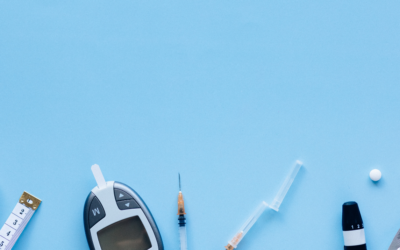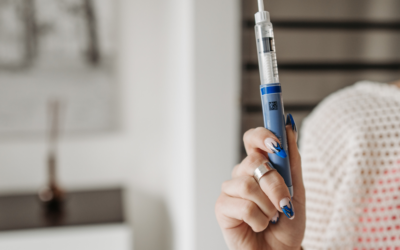


However, many women face a tricky situation where they have to take care of a child, recover from giving birth, handle any other health issues, and cope with the problem of extra pounds due to pregnancy at the same time. Since GLP-1 medicines can be among the most potent aids in losing weight, it is quite understandable that you may ask yourself whether they can be used while breast-feeding. Here is the most common issue about GLP-1 drugs at the moment: when there is a need to find out the truth and protect the interests of both mother and child. This is everything you should know in 2026. You can learn more about GLP-1 drugs and whether they are suitable for you at glpweightloss.online.
Are GLP-1 Medications Recommended During Breastfeeding?
Now, let’s begin with the existing clinical recommendation, which is pretty straightforward. According to FDA instructions, all FDA-approved GLP-1 receptor agonists, including semaglutide (Ozempic, Wegovy), tirzepatide (Mounjaro, Zepbound), liraglutide (Saxenda), and dulaglutide (Trulicity), should not be used during breastfeeding since there is an insufficient body of research regarding their possible passage into the breast milk and their effect on infants. As mentioned above, this is a precautionary measure rather than an actual recommendation based on proven evidence. However, the lack of evidence in cases like these should not be ignored. There is no exemption for using GLP-1 agonists even when one is nursing her baby at the moment. This problem will come into play if one is not nursing her baby at all or if she has stopped nursing her baby and now uses infant formula to feed her baby. In this regard, one can take up or keep using GLP-1 agonists if she qualifies clinically based on her body mass index, which should be equal to or above 30 or 27 with a specific disease.
What Does the Research Actually Show?
Whereas the conservative recommendations may seem alarming, the existing human evidence turns out to be more positive than many people think. In fact, there are two specific studies that are directly relevant to this topic: one about the transfer rate of semaglutide in breast milk, and another concerning the possible risks that this rate might pose to children.
Semaglutide (Wegovy, Ozempic) and Breast Milk
The most relevant human study on this matter was conducted in 2024 by scholars at the InfantRisk Center. Their team analyzed samples of breast milk from eight mothers who were prescribed weekly subcutaneous injections of semaglutide, taking samples 0, 12, and 24 hours post-dose. The conclusion? Semaglutide was undetectable in all breast milk samples. Not a single trace. Even in the absolute worst-case calculation (taking into account even the minimum possible amount of semaglutide present in a mother’s breast milk), the maximum RID was calculated as 1.2 percent of the mother’s dose. Generally, it is considered safe if infants receive less than 10 percent of the maternal dose. The eight infants in the study, ranging from 4 to 23 months old, showed normal growth and development with no reported health issues during the observation period.
Tirzepatide (Zepbound, Mounjaro) and Breast Milk
In terms of structure, tirzepatide is also a bigger molecule compared to semaglutide, and this should theoretically make it less likely to be transferred into breast milk. As evidenced by the results of a preliminary pilot study on just 5 nursing women, the presence of this drug was extremely low or absent in the breast milk samples – precisely as expected according to its structural composition.
The Caveat That Matters
Both pilot studies are indeed promising, although very limited in sample sizes (8 and 5 participants, respectively), short-term, and cannot provide any definitive answers regarding the safety of this medication during long-term use and infant development after exposure via breast milk for several months. Indeed, as evidenced by animal trials, GLP-1 drugs are capable of inhibiting offspring growth and weight gain when the mother receives the medication while breastfeeding. That is why the medical community remains cautious despite the encouraging scientific findings.
The Bigger Concern – Appetite Suppression and Milk Supply
But there’s one thing people often overlook about these drugs for mothers who are nursing – and it’s the impact on their own nutrition, not necessarily the passage of the drug into breast milk. First of all, GLP-1 drugs cause significant reductions in appetite – in fact, in studies, patients consuming GLP-1 drugs only took in around 60 to 70 percent as many calories as they did when not under the influence of these drugs. Nursing is an activity that takes a tremendous amount of energy. On average, lactation increases daily caloric requirements for women by 450-500 kcal over and above their regular needs.
Therefore, if the patient has taken a drug that dramatically curbs her hunger and desire to eat, she won’t be getting the necessary number of calories and nutrients needed to produce a healthy amount of milk. Indeed, caloric deprivation is probably the best-known factor responsible for low milk output. The quality of the milk may also be impaired due to a deficiency in key nutrients like vitamins and minerals. It doesn’t matter whether it’s a small amount that passes into the milk itself; it’s a completely different issue that should be considered when deciding to start using GLP-1 agonists while actively breastfeeding, especially if you are exclusively breastfeeding your baby. In the case of breastfeeding older children several times a day but not exclusively using breast milk as the source of nutrition for infants, the assessment of the benefits and harms is quite different.
What About Oral GLP-1 Medications?
One other significant factor to note is that oral GLP-1 drugs present an additional risk when used during lactation. This is because the oral form of semaglutide, such as Rybelsus (for diabetic patients) and the recently FDA-approved Wegovy pill for weight loss (effective December 2025), includes salcaprozate sodium (SNAC), which aids semaglutide in passing through the gastrointestinal tract without breaking down. SNAC can pass into the breast milk, resulting in its build-up in the infant. According to the NIH, the Drugs and Lactation Database (LactMed) recommends that only injectable semaglutide drugs should be considered during lactation, but only if they must be used after taking the conservative precautions outlined by the expert agency. In any case, the active substance and mechanisms of action in both the prescription and compounded GLP-1 drugs do not differ from each other; neither do the dangers associated with both drugs.
When Can You Safely Restart GLP-1 Therapy After Breastfeeding?
The good thing about this problem is that it’s more about timing and less about exclusion from the treatment. The majority of women who took GLP-1 agonists before pregnancy or while being pregnant can resume taking the medication after they have weaned their child off breast milk. The duration of the clearance of the medication will not take long once the woman stops lactating. In the case of semaglutide injections, the half-life is about one week. Therefore, it will be cleared from the body within two to five weeks. Tirzepatide has a very similar clearance rate of five days. Obesity doctors advise patients who are not lactating to restart GLP-1 therapy after about six weeks postpartum due to various physiological reasons, and to ensure there are no postpartum issues. In terms of how to go about it, the same method used when initiating treatment is used, which is starting on low doses. The way your body responded to treatment initially is a good point of reference, but it does not ensure the same result postpartum.
A Note on Postpartum Weight and GLP-1 Eligibility
Postpartum weight gain has been documented as an issue affecting many mothers in research. As many as 20 percent of the population of women retain 9 pounds of weight per annum after childbirth, and for some, it is even higher than that. This is no cosmetic concern; rather, it needs serious consideration as a clinical problem. GLP-1 drugs really work to help lose weight post-pregnancy. And as soon as the process of breastfeeding is completed, there is no reason why GLP-1 treatment shouldn’t be discussed by the doctor. There will be no need to wait for years before seeking the help of these drugs.
In case one suffers from conditions such as diabetes, cardiovascular issues, or other diseases, where there is an indication for use of these drugs, the benefit-risk discussion may also vary, depending upon the severity of the condition, even when the woman is currently nursing. Sometimes, difficult cases need to be carefully balanced in terms of disease complications versus lack of drug information during breastfeeding. Visit glpweightloss.online for more details about GLP-1 drugs and eligibility.
Frequently Asked Questions
Can you take Ozempic or Wegovy while breastfeeding?
Currently, according to FDA and manufacturers’ recommendations, GLP-1 agonists, including semaglutide and tirzepatide, are not recommended for use during breastfeeding due to a lack of sufficient safety evidence. At that, a study was performed in humans in 2024 that demonstrated the absence of semaglutide in breast milk, and even an estimated dose of the drug ingested by infants was below the threshold level of 10 percent.
Does semaglutide pass into breast milk?
According to the findings of one of the few clinical studies of this type conducted on eight breastfeeding women in 2024, injectable semaglutide was not found in breast milk samples at all. Even in the worst-case scenario, an estimated relative dose in babies accounted for only 1.2 percent of mothers’ doses, which is much lower than the standard threshold of 10 percent. At that, the study was short and included only a small number of subjects.
What is the biggest risk of taking a GLP-1 while breastfeeding?
As for potential risks associated with the use of semaglutide by breastfeeding mothers, it seems that suppression of their appetite, leading to lower caloric and nutritional needs of milk production, can be viewed as one of the main threats. Breastfeeding requires an increased intake of 450-500 kcal per day.
Can I take the oral Wegovy pill while breastfeeding?
No. The oral formulations of semaglutide drugs, such as Rybelsus and the newly developed Wegovy pills, include the drug substance, SNAC, which might penetrate the breast milk and accumulate in the infant’s body. In case of considering GLP-1 utilization while you are nursing, you should talk about injectable versions of GLP-1 medications with your health practitioner only.
When can I restart a GLP-1 medication after breastfeeding?
In general, most specialists suggest waiting until the complete weaning of your baby to start taking the drug again. After weaning, you will need about two to five weeks to clear the medication from the body completely. It would be advisable for you to wait six weeks after childbirth before starting the therapy if you are not breastfeeding. In this way, you will need to begin from the lowest dose.
Does breastfeeding help with postpartum weight loss on its own?
Breastfeeding consumes approximately 450 to 500 kcal/day. This type of feeding allows you to lose extra weight gradually after giving birth. However, this method of nutrition is unable to protect all nursing women from postpartum weight gain. At the same time, GLP-1 medicines are a great choice for losing excess weight after you stop breastfeeding.
Resources
https://lacted.org/questions/safety-of-using-semaglutide-during-lactation/
https://www.accessdata.fda.gov/drugsatfda_docs/label/2022/209637s009lbl.pdf
https://pmc.ncbi.nlm.nih.gov/articles/PMC11397063/
https://www.yazen.com/uk/articles/can-you-use-glp-1-while-breastfeeding
https://www.weightwatchers.com/us/blog/weight-loss/GLP1-postpartum
https://www.weightwatchers.com/us/blog/weight-loss/glp1-postpartum
https://breastfeeding-and-medication.co.uk/fact-sheet/tirzepatide-mounjaro-and-breastfeeding