
If you’re taking GLP-1 therapy or considering doing so, it’s perfectly understandable that you might have concerns about how it will affect your day-to-day routine. One of the most frequently asked questions is:
“Is it possible to consume alcohol when using GLP-1?”
The question has relevance not only concerning security matters but also because of the wish to have a vibrant social life without having to abstain from drinking alcohol completely. At times, it is important to attend social gatherings and parties where alcohol is an inevitable aspect. Alcohol use can be allowed with GLP-1 therapy, although with some conditions, since there could be significant differences in the way you react to the alcohol and its influence.
In this article, we will explore the dynamics between alcohol and GLP-1 and give recommendations for its safe use.
What GLP-1 Medications Do in Your Body
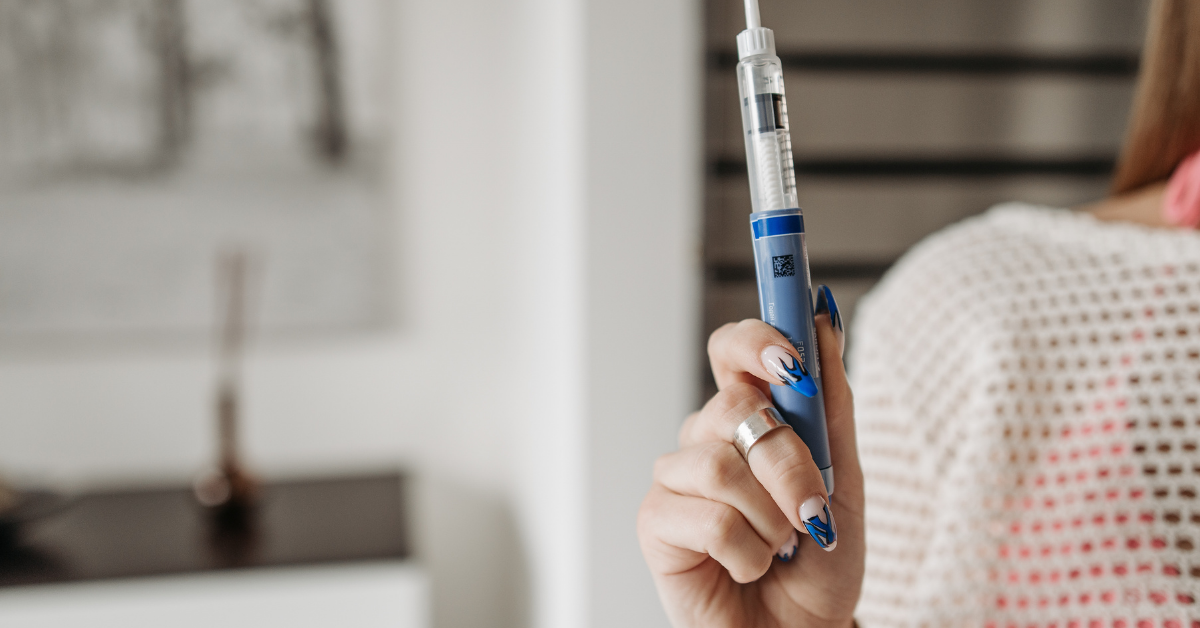
The medications work by imitating a hormone produced in the body that controls appetite, digestion, and blood glucose levels. Unlike other medication types, this type does not force any drastic changes but works smoothly with how your body responds to food consumption and energy intake.
Some of the most obvious effects of the medications are decreased appetite. You will find yourself satisfied when consuming smaller portions, and there will be fewer temptations to eat. Also, the medications slow the rate of digestion and ensure that you stay full, as well as maintain normal glucose levels.
Because the effect of alcohol is related to metabolism, digestion, and glucose level in your blood, you may find the interaction quite peculiar.
- Decrease in appetite and craving for food
- Reduction in digestion in the stomach
- Enhancement of insulin actions
- Balancing of blood glucose levels
All these effects are desirable. However, they impact the absorption and reactions of alcohol.
So, Can You Drink Alcohol on GLP-1?
In other words, the answer to the question whether it is okay to drink alcohol under GLP-1 therapy is yes, but your own experience could differ from that of previous years.
As was mentioned earlier, GLP-1 medication impacts the work of the digestive system and alters insulin generation; that is, GLP-1 slows down the process of stomach emptiness and affects blood glucose regulation. On the other hand, alcohol lowers the amount of insulin in one’s body and impacts the process of digestion, thus amplifying the effects of consumption.
It should also be noted that many patients become aware of reduced alcohol tolerance. In particular, people begin feeling the effects of the drink sooner than before and feel quite uncomfortable while having alcohol. This is due to the lack of desire for the product.
In other words, in summary, it should be stated that you can continue drinking, but with care.
How GLP-1 Affects Your Alcohol Tolerance
The change in patients’ response to alcohol intake after using GLP-1 medications can be described as one of the most frequent effects observed among patients. Although this process might not be instant for certain people, its occurrence can result in quite considerable changes in their lifestyles.
Firstly, taking GLP-1 medications results in a slowing down of gastric motility, which means that the time spent in the stomach by both liquid and solid food becomes longer. Apart from this aspect, a reduced caloric intake due to fewer meals because of less appetite will provide another reason why people consuming GLP-1 will feel more intoxicated because of alcohol.
It should be noted that the way GLP-1 reduces one’s appetite also impacts his/her cravings for alcoholic beverages.
- Getting intoxicated quickly
- Having a reduced tolerance for alcohol
- Feeling less desire to drink alcohol
In summary, these are some of the most notable factors that should be considered when consuming alcohol after being prescribed GLP-1 medications.
Potential Side Effects of Mixing Alcohol and GLP-1
However, in case one uses GLP-1 medicines with alcohol, he/she may become hypersensitive, thus developing several negative side effects. However, even when taking GLP-1 medications in combination with alcohol does not mean that an individual will face some problems with health.
As far as the side effects associated with GLP-1 drugs are concerned, they mostly have an impact on digestion, thus causing nausea for some individuals, especially at the beginning of using the drug. When considered alone, alcohol normally disrupts a person’s digestive process and makes the body dehydrated. Thus, when one uses alcohol in combination with GLP-1 drugs, he/she is likely to feel sensitive in his/her digestive tract.
Finally, it should be admitted that the use of GLP-1 drugs combined with alcohol causes changes in blood sugar level, because the former regulates it in the human body. Normally, the use of alcohol usually changes the level of blood sugar level, causing nausea.
- Nausea
- Dizziness
- Higher incidence of hypoglycemia (particularly for diabetic patients)
- Dehydration due to lack of appetite and fluid consumption
It is important to note that consuming alcohol with GLP-1 drugs might result in side effects. However, these side effects might become more obvious if someone consumes a lot of alcohol within a short period of time.
Alcohol and Weight Loss: Does It Slow Progress?
Whereas your primary goal for taking GLP-1 may involve losing weight, you have to consider the influence of alcohol as well, since it may affect not only the metabolic rate but also your behavior.
Even though alcoholic beverages include calories, apart from this aspect, the following factors may also influence the weight loss process negatively. Firstly, while you are consuming drinks, the body will prioritize the metabolization of alcohol rather than fat cells. While doing so, it will not prevent your weight loss efforts, but will slow them down.
In addition, due to the lowering of your inhibition level, you may end up indulging in foods that you must avoid. Despite being influenced by GLP-1 and having decreased appetite, you might feel hungry.
- Contributes additional calories without providing much nutritional content
- May cause increased appetite or loss of food control
- Causes a temporary slowing down of fat metabolism
- Can cause disruptions to sleep, thus interfering with weight management
Of course, if you decide to treat yourself occasionally, it won’t do too much harm in the long run. The most important thing here is to remain consistent.
GLP-1 and Alcohol Interaction Overview
Knowledge of the effects of GLP-1 and alcohol on each other will help you make decisions easily without overthinking everything at once. These compounds will have a different effect on your body, and the combined effects will be varied when acting in your body.
For example, medications targeting GLP-1 would stabilize your body, suppress your appetite, slow down gastric emptying, and regulate blood sugar levels. But drinking alcohol increases fluctuations in glucose and gastric emptying.
While these two may not be compatible, knowledge about this information is important to enable you to anticipate a different outcome than what you normally do.
| Factor | GLP-1 Effect | Alcohol Effect | Combined Impact |
| Appetite | Reduced hunger | May increase cravings later | Mixed, can vary |
| Digestion | Slower emptying | Can irritate the stomach | Increased discomfort possible |
| Blood Sugar | Stabilizes levels | Can lower levels | Risk of dips in some cases |
| Tolerance | Lower appetite | Standard effect | May feel stronger, faster |
Looking at this side-by-side makes it easier to understand why moderation and awareness are so important.
Tips for Drinking Safely on GLP-1
Should you choose to imbibe alcohol when using GLP-1, the aim is not one of moderation, but rather of awareness. Making small changes in your alcohol consumption strategy can have a large impact on the body’s reaction.
Since your tolerance levels might have shifted, it is wise to start slowly as opposed to automatically reverting back to old behaviors. One would be surprised at how often they end up drinking less by default since their body requires less alcohol intake.
- Start with a small amount to see how your body reacts
- Avoid drinking on an empty stomach
- Stay well-hydrated before and after drinking
- Choose lighter, lower-sugar drinks when possible
- Pace yourself instead of drinking quickly
Such steps are not difficult to follow, but they can greatly lower the odds of experiencing side effects.
Who Should Be More Careful?
Even though moderate consumption of alcohol by patients using GLP-1 drugs is considered acceptable, caution should always be taken where there are existing medical conditions or sensitivity towards either alcohol or GLP-1 drugs.
This is the case since, for instance, diabetics have to be very careful with their glucose levels, which tend to drop due to alcohol intake. Moreover, if one suffers from nausea caused by GLP-1, it will also be exacerbated by the consumption of alcohol.
- Have diabetes and are at risk of low blood sugar
- Experience frequent nausea from GLP-1
- Have liver-related health conditions
- Are sensitive to alcohol or medications in general
The idea here is not to ban alcohol consumption at all times but to make prudent choices under guidance from the relevant medical practitioner.
Does GLP-1 Reduce Alcohol Cravings?
An interesting phenomenon described by some patients involves the loss of the urge to consume alcohol after beginning treatment with GLP-1 drugs. Of course, this is not the intended effect of the drug; however, it coincides with the mechanism by which GLP-1 drugs affect the brain’s reward system.
Just as a craving for unhealthy food disappears, the urge to consume alcoholic beverages can also diminish or even disappear completely. Patients might stop consuming alcohol without any intention, or the desire to consume alcohol may become less pronounced.
Of course, this is experienced by only some patients; however, it is an interesting side effect that should not be overlooked.
How Alcohol Fits Into a Balanced GLP-1 Lifestyle
However, the most sustainable method of using GLP-1 would be to develop a system that is compatible with the realities of your daily life. It should cover everything from knowing how to respond in situations involving socializing, festivities, and drinking without making you feel constrained and overburdened.
Instead of considering the issue as one based on rigid principles, a balanced perspective will help. Mindful drinking in moderation does not have to clash with the goals you seek to achieve if your regular behavior remains consistent and supportive.
- Consistent eating habits
- Regular movement and activity
- Quality sleep and stress management
- Long-term sustainability
These drugs facilitate adherence to such behaviors, which work most effectively alongside an adaptable, balanced lifestyle.
For more useful information on a real-life level, visit https://glpweightloss.online/.
Frequently Asked Questions (FAQs)
Can I drink alcohol while taking GLP-1 medications?
Yes, you can consume alcohol, but it is better to proceed with caution and take note of any changes in your alcohol tolerance.
Will alcohol make GLP-1 side effects worse?
The likelihood of experiencing negative side effects such as nausea and dizziness increases when consuming it in greater quantities. It would be wise to consume alcohol responsibly and avoid drinking on an empty stomach.
Can alcohol affect my blood sugar on GLP-1?
Indeed, there is evidence that alcohol may reduce blood sugar levels and thus cause hypoglycemia in certain individuals. This applies especially to people living with diabetes.
Does GLP-1 reduce the desire to drink alcohol?
Some will have their desire for alcohol diminished because of the role that GLP-1 plays in reward and hunger cues.
Is it better to avoid alcohol completely?
Not exactly; however, limiting its consumption can definitely help you avoid unwanted effects and achieve your weight loss objective. Ultimately, it all depends on your body.
Where can I learn more about GLP-1 lifestyle tips?
For more detailed information, visit https://glpweightloss.online/. This website offers useful tips that are easy to implement.
Resources
- https://www.webmd.com/obesity/ozempic-and-alcohol
- https://www.kevinmarksmd.com/blog/1348928-lifestyle-changes-to-maximize-glp-1-treatment-benefits/
- https://www.boltpharmacy.co.uk/guide/glp-1-and-life-lifestyle-changes
- https://healthyliferecovery.com/can-you-drink-alcohol-while-taking-glp-1-medications/
- https://casadesante.com/blogs/glp1-supplements/glp-1-dopamine-reward-pathway-alcoholF
- https://pmc.ncbi.nlm.nih.gov/articles/PMC9804689/
- https://www.tfhd.com/news/thriving-on-a-glp-1-medication-lifestyle-tips-for-lasting-success/
- https://www.weightwatchers.com/us/blog/weight-loss/a-guide-to-alcohol-intake-while-on-a-glp-1-medication
- https://pubmed.ncbi.nlm.nih.gov/39980336/
- https://medicine.yale.edu/news-article/glp-1-receptor-agonists-protect-the-liver-during-alcohol-consumption/