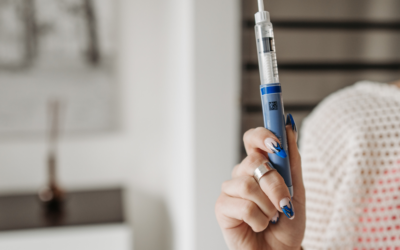


When choosing a GLP-1 drug for losing weight, one of the first questions you might have would be:
Since there’s a lot of hype going on regarding GLP-1 drugs, including semaglutide and other medicines like it, people often get curious about their safety, the potential adverse effects, and whether this method of losing weight is really trustworthy.
Well, here’s what you need to know: While GLP-1 drugs are usually regarded as safe and effective solutions for losing weight, under professional guidance, of course. It’s vital to understand all aspects before making your decision.
In this guide, we’ll walk through everything in a clear, balanced way – so you know what to expect and how to approach GLP-1 safely.
What GLP-1 Medications Do in Your Body
GLP-1 medications mimic a naturally occurring hormone in the body, which manages the metabolic process, satiety, and appetite. They will not compel you to reduce your weight rapidly, but will facilitate your body to adjust smoothly and steadily to your reaction to eating.
One of their primary benefits includes the fact that they suppress your appetite and make you feel satisfied for longer periods. You can consume less food and still get satiated quickly. Moreover, you will experience a reduced feeling of hunger throughout the day, making it easier to create a caloric deficit without always feeling deprived.
Moreover, they ensure consistent blood glucose levels, eliminating energy slumps and promoting metabolic efficiency.
In plain language, GLP-1 drugs work by:
- Decreasing appetite and caloric intake
- Slowing digestion and promoting satiety
- Increasing insulin sensitivity
- Regulating glucose metabolism
The above points summarize how GLP-1 drugs achieve their effect on weight reduction, but it also explains why their safety becomes a key issue to explore.
Is GLP-1 Safe for Weight Loss?
The answer is: Yes, in many cases, GLP-1 drugs may be considered safe if taken in accordance with prescription and medical recommendations.
GLP-1 drugs undergo clinical trials and are approved for the treatment of patients suffering from type 2 diabetes mellitus as well as for weight management purposes. Many millions of patients take GLP-1 drugs all over the world.
But being considered safe does not mean that there will be no danger in using this drug. Any drug might provoke some adverse reaction. The matter is that the issue of safety arises when it is clear who to use the drug and how.
This means that there are certain conditions that concern patient safety issues.
Why GLP-1 Is Considered Safe
These medications are regarded as safe because of how they are composed. What does this mean? Simply put, the medications are an imitation of a hormone that is produced naturally in your body.
The second important thing about these drugs is that enough information about their safety can be found. Why is this so? Well, this is so because these medications are tested on numerous people in the course of their trial.
Besides, GLP-1 medications are introduced gradually. How is this done? As already mentioned above, the doses increase with time.
The following are the reasons that make GLP-1 drugs safe:
- They have gone through numerous clinical trials.
- They have been approved by health agencies.
- They are used by millions of people worldwide.
- They can replicate biological activities.
The above reasons form a strong basis for the safety of these drugs.
Common Side Effects to Be Aware Of
Despite their safety, GLP-1 drugs can have adverse effects, especially when first taking them.
Such symptoms are mainly digestive because the drug works in this way. Since the drug slows down digestion and suppresses appetite, it’s not surprising that your body starts experiencing adverse effects.
The positive side is that such side effects usually disappear over time.
Common side effects include:
- Nausea
- Diarrhea or constipation
- Reduced appetite
- Mild stomach discomfort
These symptoms often appear when starting the medication or increasing the dose, and they typically fade as your body adapts.
Less Common but Important Risks
Other than the common adverse effects, there are some uncommon yet serious adverse effects worth considering. While these are rare, it is good to know them for making informed decisions.
For instance, some patients may develop serious GI problems or other reactions that would need to be addressed. Some specific diseases may also make GLP-1 unsuitable for them.
That’s why seeking a doctor’s guidance is necessary, because it helps identify such potential risks.
Other uncommon side effects may be:
- Severe gastrointestinal complications
- Gallbladder-related complications
- Uncommon pancreatic complications
- Side effects related to the thyroid gland
Although it is unlikely for these to occur, they highlight the importance of proper screening.
GLP-1 Safety Overview Table
To simplify things, here’s a clear breakdown of benefits vs risks:
| Aspect | What to Expect | Safety Perspective |
|---|---|---|
| Weight Loss | Gradual, sustained | Positive benefit |
| Appetite Control | Reduced hunger | Supports healthy habits |
| Common Side Effects | Mild digestive issues | Usually temporary |
| Serious Risks | Rare | Manageable with supervision |
Who Should Avoid GLP-1?
Although GLP-1 is a relatively safe treatment option, there are exceptions to this rule, and understanding the cases where it cannot be administered is another critical step in the informed decision-making process.
As with any drug, its effects are always unique depending on the person’s medical background and overall health. This is why it is necessary to undergo an evaluation from a medical professional before using GLP-1, as it will ensure that this form of treatment will be compatible with your body and will not be compromised by pre-existing health concerns.
Some pre-existing illnesses may affect the effectiveness of GLP-1, even causing harm to the user. Some thyroid conditions were cited as examples of health problems where additional precautions must be taken if GLP-1 is prescribed.
However, you may have to avoid or use with caution if:
- You have had certain types of thyroid cancers before
- You have certain endocrine disorders
- You are pregnant or intend to become pregnant
- You have serious gastrointestinal problems
The above restrictions are not intended to prevent people from using the drug but to help them use it safely according to their medical background.
Long-Term Safety: What We Know
One of the concerns of concern by patients is the possibility of GLP-1 medications to guarantee safety for the entire period of their application. This becomes relevant due to the fact that controlling one’s body weight usually requires continuous effort, not a one-time action.
As for this matter, it must be noted that the positive news is that GLP-1 medications have been used for several years to treat type 2 diabetes; thus, there is a wide range of information related to the safety of the medication after the extended application period. In addition, as far as experience reveals, the research process does not stop, being oriented not only towards efficacy but also risks identification.
Nowadays, it is safe to claim that within the scope of the instruction guidelines and control measures, the safety factor remains high. There are numerous cases of patients’ consumption of the GLP-1 medication for several months and even years.
Nevertheless, it would be inappropriate to forget about the safety of the application method itself.
These are some conclusions that current research has made:
- It is relatively safe when used long-term
- Current research continues to track its effects
- Routine medical checkups make sure it remains safe
Together, these factors make GLP-1 a viable option for many people in the long run.
How to Use GLP-1 Safely
There are absolutely no problems associated with taking GLP-1. However, it needs to be taken properly.
First of all, it is essential to follow the correct dosage schedule. GLP-1 medicines are usually used with low doses initially to avoid any side effects.
Then, it is important to pay special attention to one’s body reactions. Indeed, certain side effects cannot be avoided. However, if an individual sees something extraordinary, he or she should consult a health specialist.
Lastly, it is crucial to provide one’s body with the required amounts of both nutrients and water. This is because GLP-1 often makes one eat less; therefore, it becomes vital to have extra nutrients and water.
To use GLP-1 safely:
- Follow your prescribed dosage carefully
- Attend regular medical check-ups
- Stay hydrated and maintain balanced nutrition
- Report any unusual symptoms early
These steps help create a safe and supportive environment for the medication to work effectively.
Benefits vs Risks: A Balanced Perspective
In evaluating the safety of GLP-1 use, it should be recognized that one must weigh the benefits and risks of the drug in its entirety.
As most people are well aware, obesity and various metabolic disorders pose several threats to one’s health. These include increased risk for heart disease, high blood pressure, diabetes, and various other problems. In this case, the drugs that help one deal with the problem in question can help reduce this risk.
Another thing to keep in mind is that in discussing the safety of medicines, there is much talk about the very rare side effects while ignoring those that have more obvious benefits. A balanced approach should be taken.
What should be remembered about this?
- First, obesity causes damage to your health.
- Second, GLP-1 gives you a scientifically validated solution to these problems.
- Finally, the risks connected with its appropriate usage are minimal
This approach helps to base your decision on an assessment of the total effect on health.
Why GLP-1 Is Becoming So Popular
Nevertheless, the success of GLP-1 drugs is not determined exclusively by their ability to produce weight loss outcomes; instead, it is mainly due to the extremely safe nature of these drugs as well as the convenience of their use.
In the present-day world, everyone is interested in achieving sustainable results without the need for much work compared to a regular diet. A normal diet requires personal restraint, which is difficult for most people. On the contrary, GLP-1 is designed to assist people in the natural fat-burning process. Moreover, people can remain consistent and stick to the healthy habits recommended.
Moreover, today, people begin to realize that our body weight is dependent not only on behavioral factors but also on hormonal issues. Therefore, GLP-1 drugs can effectively deal with these problems.
Lastly, as more people talk about their experiences with GLP-1, this product becomes more popular among consumers.
Key Takeaways
GLP-1 medicines are considered safe for weight reduction provided that the right medical care is taken into account. These drugs have been extensively studied and proven safe for most people.
Nevertheless, safety will be determined by proper use, periodic check-ups, and personal knowledge of your body’s condition. Though not applicable to all patients, GLP-1 therapy can be a very effective and safe solution if used appropriately.
The key message here is to take your treatment process seriously and responsibly.
FAQs
Is GLP-1 safe for long-term weight loss?
Yes, there is proof that GLP-1 drugs are safe for extended periods of time, as long as they are properly administered. Regular checkups will help in maintaining the efficacy and safety of the drug over time.
What are the most common side effects?
The side effects are generally minor gastrointestinal problems such as nausea and stomach pain. These usually happen during the adaptation period and go away once the body adjusts.
Are there serious risks with GLP-1?
Serious problems are rare but might appear in some cases, which makes it crucial to have medical monitoring of all possible complications.
Who should not take GLP-1?
Those who suffer from particular thyroid diseases, have a special medical background, or have pregnancy contraindications will be advised against taking GLP-1. Consult your physician on this matter for clarification.
Is GLP-1 safer than traditional weight loss methods?
Yes, most likely, especially when compared with dangerous diets and supplements. With GLP-1, there is a proper plan that is medically supervised.
Where can I learn more about GLP-1 safety?
If you need practical advice, go to https://glpweightloss.online/. It is informative and easy to follow in practice.
Resources
- https://www.fda.gov/drugs/postmarket-drug-safety-information-patients-and-providers/fdas-concerns-unapproved-glp-1-drugs-used-weight-loss
- https://www.medcentral.com/endocrinology/obesity/glp-1-agonists-the-latest-obesity-long-term-use-data
- https://www.ema.europa.eu/en/news/ema-statement-ongoing-review-glp-1-receptor-agonists
- https://withinhealth.com/learn/articles/semaglutide-ozempic-weight-loss-risks
- https://www.mayoclinic.org/diseases-conditions/type-2-diabetes/expert-answers/byetta/faq-20057955
- https://www.tctmd.com/news/ema-no-evidence-link-between-glp-1-receptor-agonists-and-suicidal-thoughts
- https://www.webmd.com/drugs/ozempic-semaglutide
- https://dig.pharmacy.uic.edu/faqs/2025-2/august-2025-faqs/what-are-the-safety-concerns-regarding-compounded-glp-1-receptor-agonists/
- https://www.ema.europa.eu/en/documents/opinion-any-scientific-matter/assessment-report-article-53-procedure-glp-1-based-therapies_en.pdf
- https://www.ozempic.com/how-to-take/side-effects.html