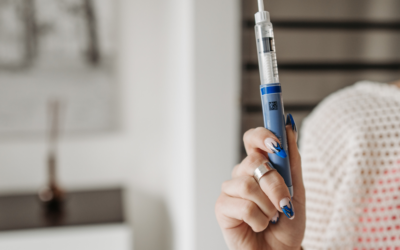


When you are looking into taking GLP-1 medications to lose weight, the most frequently asked question is:
“How can I get a prescription for it?”
Nowadays, when these medications have become increasingly popular, more and more individuals start thinking about using them as a means to manage their weight. There is quite a lot of uncertainty regarding the prescription procedure itself – whether a specialist is needed, what the requirements are, and how long it will take to receive your prescription.
The truth is: the prescription procedure for GLP-1 medications is quite structured – but it is relatively easy to complete if you know what you are doing.
What GLP-1 Medications Are Prescribed For?
GLP-1 medicines were designed to be taken by type 2 diabetic patients, but in recent years, their use in weight loss has gained more relevance. GLP-1 helps control food intake and metabolism, which is why such drugs can help people who have problems conventionally losing weight.
They do it by regulating brain receptors associated with hunger, thus letting a person eat fewer calories and feel satiated sooner and for a longer period. Thus, you achieve the effect through physiological mechanisms rather than by sheer willpower alone.
Regarding their use in weight loss, there are some criteria according to which you can take some GLP-1 medications. Such criteria are designed to make sure that you use the medicine efficiently and safely.
Before prescribing such drugs, doctors analyze your general health state, past weight, and other factors.
In simple terms, GLP-1 prescriptions are typically considered for:
- Weight management in individuals with obesity
- Overweight individuals with related health conditions
- Type 2 diabetes management (with weight loss benefits)
This structured approach ensures that the treatment is appropriate and effective for each individual.
How Do You Get Prescribed GLP-1?
Obtaining a prescription for GLP-1 is a structured process that depends solely on your health status and needs. The process might sound confusing at first; however, you’ll realize how easy it is after initiating the process.
First, you need to see a licensed healthcare provider. It could be a general practitioner who works with you regularly or a specialized doctor like an endocrinologist. Alternatively, you can consult with a doctor via telehealth services.
In this appointment, your healthcare provider will assess some important health factors like your body mass index, medical history, and related diseases. This assessment will help him understand whether it is safe for you to use GLP-1 or not.
Depending on his findings, your healthcare provider might give you a direct prescription of the drug or start the process of getting its insurance coverage.
Step-by-Step Process to Get a GLP-1 Prescription
Breaking the process down step by step will also help make it seem much less daunting. Though each experience may be slightly different, the path remains relatively constant between service providers.
1. Schedule a Medical Consultation
Begin by scheduling a visit with a reputable healthcare professional. Due to advances in telehealth services, booking an appointment has become much easier since you can now start the process from home.
2. Discuss Your Health and Goals
The consultation involves a discussion of your weight history and current lifestyle habits. Giving thorough and truthful answers makes the process all the more accurate.
3. Meet Eligibility Criteria
Whether you fit the medical profile for being prescribed this treatment will be determined by your healthcare provider.
4. Receive a Prescription (If Eligible)
Should you fit the profile, your healthcare provider will prescribe the drug and inform you on how to use it in the safest way possible.
5. Handle Insurance or Payment
In case you plan to cover the costs with your insurance plan, the provider may require your prior authorization for this medication. Otherwise, the provider will offer you other options.
Following these steps in order helps streamline the process and reduce delays.
Who Qualifies for GLP-1 for Weight Loss?
Eligibility criteria for GLP-1 drugs rely on the existing set of medical guidelines that are meant to provide safe and efficient administration of the medication. This allows for determining patients who can potentially benefit from taking the drug.
One of the main criteria when deciding whether to prescribe a patient GLP-1 medications is BMI. But this is not the only criterion considered by healthcare professionals. Another important issue to discuss here is the existence of other diseases caused by being overweight.
If an individual has a moderately elevated BMI yet does not suffer from any other illness due to his/her obesity, then GLP-1 will not be recommended for him/her.
Typical criteria that determine whether GLP-1 should be administered are as follows:
- BMI greater than 30
- BMI of at least 27, accompanied by some other illnesses (e.g., hypertension)
- Inability to lose weight with lifestyle modifications only
These criteria ensure that GLP-1 is used where it can provide the most benefit.
What Doctors Look for Before Prescribing
To prescribe GLP-1 to you, your doctor will conduct a holistic assessment of your health. It is not merely a case of hitting a specific weight target; rather, it is about getting a full picture of your general well-being.
Your doctor may ask you several questions regarding your diet, exercise routine, past weight loss efforts, and current medication regimen. In this way, they can ascertain whether GLP-1 is the right choice for you or if an alternative route is necessary.
One of the major concerns in prescribing any drug is safety, and this applies to GLP-1 treatment as well.
The physician will normally take into account:
- Your medical background
- Your current medication
- Conditions associated with weight
- Lifestyle factors
This assessment allows the doctor to design a personalized treatment plan for you.
Can You Get GLP-1 Online?
Yes, GLP-1 drugs are available through telehealth platforms, making it much more convenient for many individuals. It is also beneficial for those who cannot travel easily to appointments with their doctors.
The procedure is comparable to an in-person appointment, where you fill out the medical questionnaire, consult with a licensed practitioner about your medical history, and sometimes present lab test results. The practitioner will then have all the necessary details needed to prescribe the drug to you.
If you qualify, the prescription will be directed to the pharmacy near you or mailed to your address. But always remember to select licensed telehealth platforms for your benefit.
Do You Need Insurance to Get GLP-1?
It is not mandatory to have insurance for the prescription of GLP-1, although having an insurance plan may make a significant difference in its affordability.
Approval by the insurer is not guaranteed even when you have insurance. In most cases, you will require prior authorization from your insurer, where your healthcare practitioner will need to prove that the medicine is a necessity.
In case your insurance covers the drug, there are other sources of information that your healthcare provider can assist you in exploring.
How Long Does It Take to Get Prescribed?
The time needed for obtaining a GLP-1 prescription will depend on various aspects, such as the kind of healthcare provider one works with, as well as whether insurance approval is required.
Under certain circumstances, the process of obtaining the prescription may be relatively quick, and the client may get the prescription within just a few days. If, however, prior authorization is necessary, more time is required.
Typically:
- Consultation to prescription: a few days to one week
- Insurance coverage: 1-3 weeks (if necessary)
Being ready with your medical background and complying with inquiries can assist in streamlining the process.
Tips to Improve Your Chances of Getting Prescribed
Although fulfilling the criteria for eligibility is the primary consideration, there are other things that you can do that will make this process easier for you and increase your chance of being approved.
Coming prepared for the appointment and presenting your concerns in an open manner is extremely important. Prescribing medication is more likely if the provider sees the need for it and a commitment on your part to get healthier.
Some useful pointers include:
- Be upfront about your past experiences with your weight issues
- Show proof of previous weight loss attempts
- Tell them if you have any illnesses associated with your weight
- Complete recommended tests and evaluations
For more practical guidance, https://glpweightloss.online/ offers easy-to-follow resources to help you navigate the process.
What Happens After You Get Prescribed?
After you have been prescribed the medicine, the following step is initiating its use and coping with the effects.
In most cases, all GLP-1 medicines are initiated by taking small amounts at first and then increasing the dosage slowly over time. This makes your body accustomed to it and decreases the chances of being uncomfortable.
Follow-up appointments can be included in this process as well. They help your healthcare professional monitor your progress and adjust the dosage when necessary.
Key Takeaways
Obtaining a prescription for GLP-1 to lose weight is a planned procedure that includes a medical consultation. Although it entails some examination and sometimes even insurance authorization, it is obtainable by many individuals who qualify for it.
It will help you navigate the process better when you know everything involved and prepare beforehand.
Frequently Asked Questions (FAQs)
Who can prescribe GLP-1 for weight loss?
Healthcare professionals who have obtained their license in the profession can prescribe GLP-1 drugs.
Can I get GLP-1 without a doctor?
No, the GLP-1 drug is a prescription medication. Nevertheless, telehealth has made it easier to access a physician online.
What BMI do I need to qualify?
The standard condition for prescribing weight loss drugs is having a BMI of 30 or more, or 27 with other health problems.
How fast can I get a prescription?
However, some patients may have their prescriptions in just a few days, although this may take more time for insurance approval purposes.
Can I get GLP-1 for weight loss without diabetes?
Yes, in fact, there are several GLP-1 drugs that are used for weight loss even in the absence of diabetes.
Where can I learn more about getting GLP-1?
For clear and practical guidance, https://glpweightloss.online/ is a helpful resource that explains the process step by step.
Resources
- https://www.angelone.in/news/economy/cdsco-tightens-oversight-on-glp-1-weight-loss-drugs-amid-misuse-concerns
- https://pmc.ncbi.nlm.nih.gov/articles/PMC12550443/
- https://www.medtalks.in/articles/esi-obesity-management-guidelines-for-india-2025-update
- https://www.apollopharmacy.in/blogs/article/ultimate-2026-guide-medical-weight-loss-ozempic-wegovy-mounjaro
- https://www.aninews.in/news/national/general-news/indias-drug-regulator-intensifies-surveillance-of-weight-loss-drug-glp-1-supply-chain-doctors-warn-against-reckless-use20260324105030
- https://www.facebook.com/Scoopwhoop/posts/indias-drug-regulator-cdsco-has-approved-ozempic-semaglutide-for-adults-with-typ/1289502826543627/
- https://pmc.ncbi.nlm.nih.gov/articles/PMC9519829/
- https://www.apollohomecare.com/home-visit/doctor-at-home/telephone-consultation/
- https://www.pib.gov.in/PressReleasePage.aspx?PRID=2244252®=3&lang=1
- https://drugscontrol.org/news-detail.php?newsid=44496