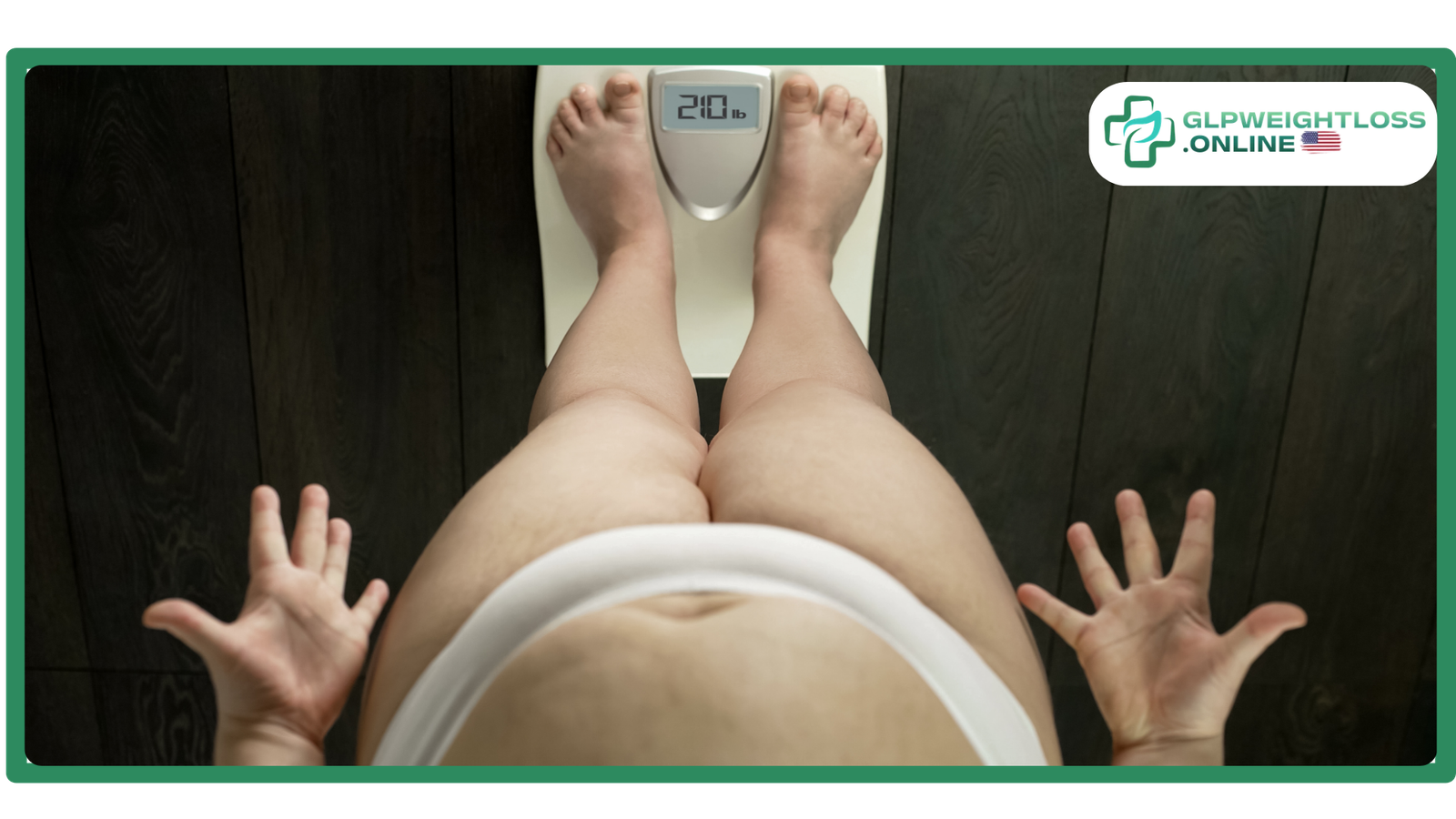
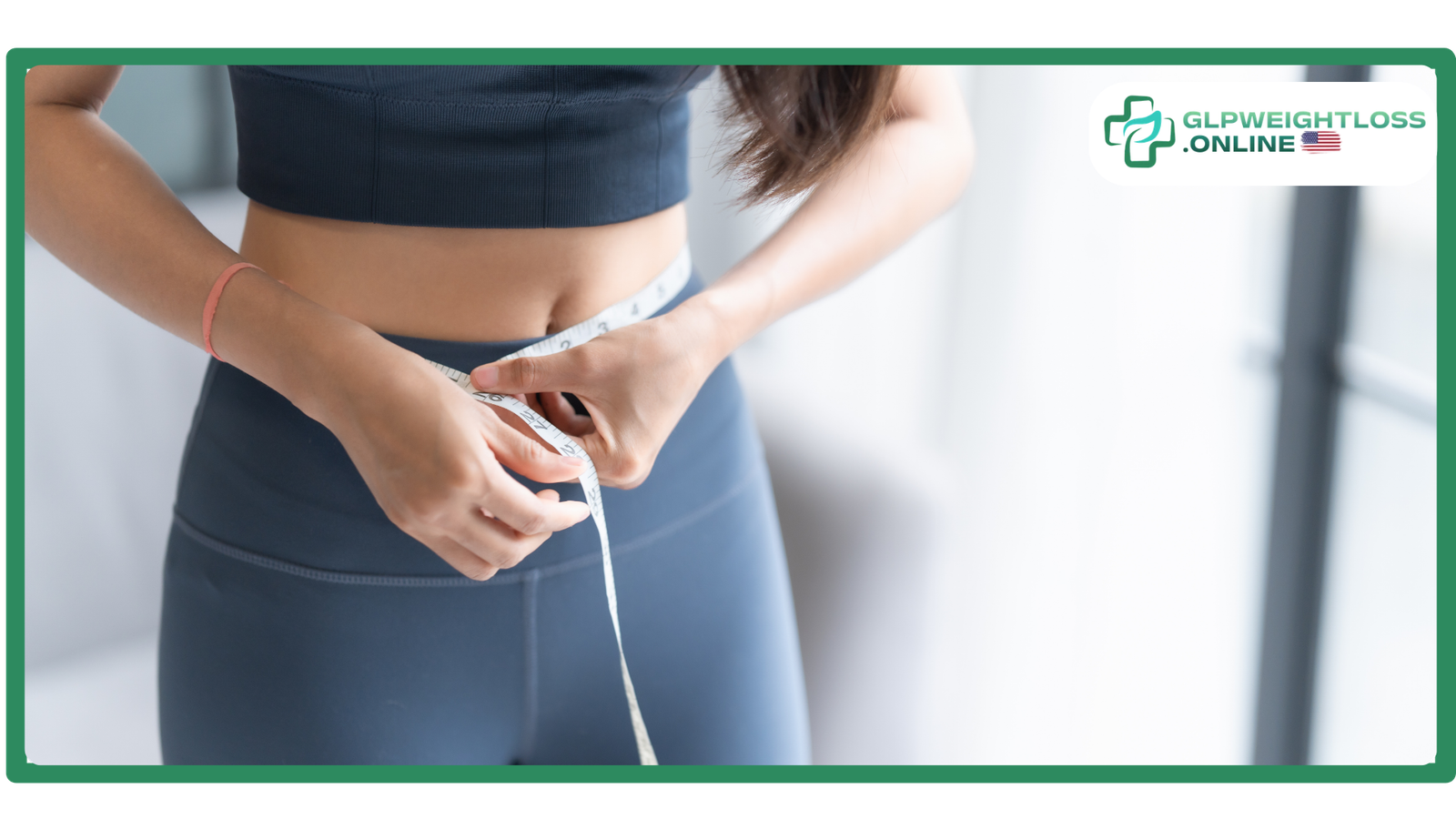

If you’ve been active on social media or watching the news lately, then there’s a good chance that you’ve heard the term “GLP-1 weight loss” more than once. Ozempic, Wegovy, Zepbound – all of these names have been dominating your screens. But what exactly is GLP-1 weight loss? How does it work? And is it something that could genuinely assist you?
What Is GLP-1?
GLP-1 is short for glucagon-like peptide-1. This is a hormone that your body naturally creates in your system immediately after eating. GLP-1 has three main functions: to send the message to your brain that you are full, to send the message to your pancreas to release insulin to regulate blood sugars, and to slow the emptying of food from your stomach.
The hormone GLP-1 is the “I’m full” hormone. This is the hormone that tells you to put the fork down.
The problem is that this hormone is not strong enough or effective enough in many people, especially those who are fighting obesity and weight-related health problems. This is where GLP-1 medications are designed to be helpful.
GLP-1 Receptor Agonists are drugs that work by mimicking this hormone. They’re essentially turning up the volume on your body’s natural fullness signals, making you eat less, feel fuller sooner, and reducing what most people describe as “food noise” – all the constant chatter in your head about food, eating, and cravings that can make dieting such a draining process.
For a deeper look at how these drugs work, and whether they’re right for you, be sure to check out https://glpweightloss.online/ – a trusted source designed to help you navigate the complex world of GLP-1 Weight Loss.
How Do GLP-1 Medications Actually Help With Weight Loss?
It’s an honest question- and the answer is simpler than you might think. The answer is that GLP-1 drugs do this in several different ways at the same time:
Reduce Appetite: By stimulating the GLP-1 receptor in the brain. The effect of these drugs is that you simply don’t feel like eating. You don’t feel like eating even when you are surrounded by the foods that normally make your mouth water.
Slow Digestion: Slowing the passage of food from your stomach to your intestines. The result is that you feel full longer after meals and don’t snack in between.
Quiet Food Cravings: Some studies indicate that it also activates the brain’s reward system – the part of your brain that makes certain foods irresistible. There are many reports of people taking these drugs and finding that they no longer think about food as much, and that highly processed foods are no longer appealing.
Help Control Blood Sugar: By stimulating insulin release in response to meals and reducing glucose production in the liver, these drugs can help stabilize blood sugar. This also reduces energy crashes and hunger spikes.
What is the result of all these effects working in concert? Significant weight loss – if you can stick with the medication.
How Much Weight Can You Actually Lose?
This is what most people really want to know – and the clinical data is genuinely impressive.
GLP-1 Medication Weight Loss Results
| Medication | Active Ingredient | Average Weight Loss | FDA-Approved for Obesity |
|---|---|---|---|
| Zepbound | Tirzepatide | ~20% of body weight | Yes |
| Wegovy (injection) | Semaglutide | ~15% of body weight | Yes |
| Wegovy (pill) | Oral Semaglutide | ~13.6% of body weight | Yes (approved Dec 2025) |
| Saxenda | Liraglutide | ~6–8% of body weight | Yes |
To put that in perspective, that’s equivalent to a person weighing 220 lbs losing 30-44 lbs on semaglutide or 40-50 lbs on tirzepatide. That’s not an insignificant difference, which is why these drugs have genuinely revolutionized the conversation around obesity treatment.
Also worth noting is that there is an oral GLP-1 agonist in development called orforglipron. This is in late-stage clinical trials. A 2025 phase 3 study published in the New England Journal of Medicine found that participants on the highest dose lost an average of 12.4% of their body weight over 72 weeks on just a pill, with no food or water restrictions. This could be huge for people who want GLP-1 therapy but don’t want injections.
Benefits Beyond the Scale
But here’s the thing: most people don’t realize that the benefits of these GLP-1 weight loss drugs extend beyond weight loss. And that’s why they’re creating such excitement among physicians.
Heart Health: Wegovy, or semaglutide, is already FDA-approved to decrease the risk of heart attacks, strokes, and cardiovascular-related deaths in patients with obesity and pre-existing heart disease. In one study of over 31,000 patients in the 2025 study, it was discovered that the risks of heart attacks and strokes were significantly reduced in patients taking tirzepatide when compared to semaglutide. In addition, the side effects were more tolerable.
Blood Sugar Control: For those without diabetes, these drugs can actually make them more insulin sensitive and prevent blood sugar swings. For those with prediabetes, it can actually prevent the onset of type 2 diabetes.
Sleep Apnea: Zepbound, or tirzepatide, has been approved for the treatment of moderate to severe obstructive sleep apnea in obese patients, marking a significant achievement in the progress of these drugs from simply aiding in weight loss.
Other Improvements: Individuals taking GLP-1 receptor agonists often report that they have more energy, less joint pain from reduced body mass, lower blood pressure, improved cholesterol levels, and a general increase in quality of life. These are all positive aspects of a person’s health that are associated with weight loss.
Who Qualifies for GLP-1 Weight Loss Medications?
GLP-1 medications are prescription drugs, which means you need a healthcare provider to prescribe them. The general eligibility criteria are:
Eligibility Criteria at a Glance
| BMI | Health Conditions | Typically Eligible? |
|---|---|---|
| 30 or higher | None required | Yes |
| 27–29.9 | At least one weight-related condition (e.g., high blood pressure, high cholesterol, sleep apnea, type 2 diabetes) | Yes |
| Below 27 | No significant weight-related condition | Generally No |
Aside from your BMI, your doctor will also consider your medical history. Generally, GLP-1 drugs should not be used by those who are pregnant, have a personal or family history of medullary carcinoma of the thyroid, or have a condition called MEN2 (Multiple Endocrine Neoplasia type 2), or have pancreatitis.
The medical professionals who can prescribe GLP-1 drugs include your primary care physician, a telehealth doctor, a nurse practitioner, or an endocrinologist. The best way to start is to have a conversation with your doctor about whether you can use the drug.
What Are the Side Effects?
No medication is devoid of side effects, and GLP-1 is no different. The most common ones are gastrointestinal and include nausea, vomiting, diarrhea, constipation, and a general feeling of fullness or bloating.
The good news is that they are generally short-lived. Doctors deal with this in the following way: they put their patients on a very low dose and gradually increase the dosage over several months. Generally speaking, the body gets used to the medication, and the side effects are greatly reduced after the first few weeks.
The more serious but less common side effects include pancreatitis and gallbladder problems. There is also the theoretical risk of thyroid cancer, which is derived from animal studies. As a result, the medication is contraindicated in people who have had thyroid cancer.
The good news is that real-world data up to 2025 indicate that serious adverse events are uncommon, and the benefit-risk profile is favorable for the majority of people who are eligible.
Do You Have to Stay on These Medications Forever?
This is arguably one of the most frequent and significant questions that people want answers to, and the honest answer is that, yes, long-term use is generally required for continued results.
Research has repeatedly demonstrated that if you stop using GLP-1 drugs, much of your weight loss will inevitably return. This is not because you haven’t been able to overcome your cravings or hunger- biology is simply reasserting itself. Your body is responding to the return of your cravings and hunger hormones.
However, there is much ongoing research being conducted by numerous physicians and scientists that is aimed at helping individuals effectively stop using GLP-1 drugs while still maintaining their weight loss results, especially in conjunction with other healthy lifestyle habits. GLP-1 drugs function optimally in conjunction with other elements, not in isolation.
For more tips on how you can implement healthy lifestyle habits in conjunction with GLP-1 therapy, visit glpweightloss.online.
What’s New in GLP-1 Weight Loss for 2025 and Beyond?
The field is advancing at a remarkable pace. Here are the most exciting recent developments:
Oral Wegovy Approved (December 2025): The FDA approved the daily pill form of Wegovy, or oral semaglutide 25 mg, in December 2025. This is huge news for people who do not want to have injections. Clinical trials have shown that users lose an average of 13.6% of their weight in 64 weeks.
Orforglipron in Phase 3 Trials: Orforglipron, developed by Eli Lilly, is also in the picture. This non-peptide small molecule is an oral GLP-1 agonist. It has been tested in a phase 3 study in 2025, showing up to 12.4% weight loss. Unlike the oral semaglutide pill, users do not have to time their doses with regard to food or water intake.
Medicare Coverage Coming: The Centers for Medicare & Medicaid Services announced in December 2025 that there is a new model called BALANCE that will allow GLP-1 agonists to be covered for Medicare Part D eligibles as early as mid-2026.
Triple-Receptor Drugs on the Horizon: New generation drugs that work on all three hormone receptors at the same time, such as retatrutide, are showing results of near 30% weight loss in clinical trials, results that would have been considered unthinkable even a few short years ago.
The Bottom Line: The results of GLP-1 for weight loss are not a fad. It’s a scientifically supported, rapidly evolving field of medicine that’s redefining how we think of and deal with obesity. Stay up to date on all the latest news and information at glpweightloss.online.
Frequently Asked Questions
What does GLP-1 weight loss mean exactly?
GLP-1 weight loss involves the use of GLP-1 receptor agonist medications to assist in weight loss by mimicking a natural hormone in the gut that controls hunger and satiety. These medications decrease hunger, slow down digestion, and eliminate cravings, thus facilitating significant weight loss through healthy lifestyle habits.
Is GLP-1 weight loss safe?
For most people who qualify for GLP-1 weight loss, the answer is yes. While most people will experience temporary and tolerable side effects like nausea and stomach discomfort, severe side effects are possible. This is why it is always recommended that you work with a licensed healthcare provider.
How long does it take to see results with GLP-1 medications?
While most people will notice that their appetite is diminished within a few weeks, noticeable weight loss will take longer. The dose is gradually increased over time, and thus, for most people, weight loss is most noticeable 6-12 months after starting.
Can anyone get a GLP-1 prescription for weight loss?
Not everyone qualifies for this. You have to have a BMI of 30 or higher, or a BMI of 27 or higher with a weight-related condition such as hypertension or type 2 diabetes. Certain medical conditions, such as specific thyroid issues and pancreatitis, can disqualify you from using this drug.
Will I gain the weight back if I stop taking GLP-1 medications?
Research on the subject suggests that most people experience significant weight regain if they stop using GLP-1 drugs because the appetite-suppressing effects of the drugs cease. The best way to maintain weight loss is to build healthy habits while on the drug.
Are there pill forms of GLP-1 medications available now?
Yes. As of December 2025, the FDA has approved an oral pill version of the weight loss drug Wegovy (semaglutide). Another oral drug, called orforglipron, is currently in phase 3 clinical trials and may be approved by the FDA in the near future, offering patients alternative treatments to weekly injection drugs.
Resources
https://www.wmchealth.org/living-well/beyond-the-ozempic-buzz-how-glp-1s-actually-work
https://www.endocrinologyadvisor.com/ddi/glp-1-agonists/
https://aasm.org/zepbound-approved-fda-first-sleep-apnea-medication/
https://www.cms.gov/priorities/innovation/innovation-models/balance
https://www.statnews.com/2025/08/26/eli-lilly-oral-glp-1-drug-orforglipron-phase-3-trial-results/
https://www.bswhealth.com/blog/glp-1-medications-explained-benefits-risks-how-they-work