
If you are considering GLP-1 medicines such as Ozempic, Wegovy, Saxenda, Trulicity, Mounjaro, and Zepbound as part of your weight-loss regimen, one of the things you probably want to know is how long GLP-1 will remain in your system. It makes complete sense. Of course, you would love to know how GLP-1 works in your body, for how long it will continue working once you stop taking it, and what you can expect from its use.
With these drugs, you have already seen weight loss results in many people through appetite suppression and satiety increase. However, the process doesn’t work in black and white, as you may imagine. In this quick read, all questions related to the issue are addressed clearly and simply without the use of unnecessary jargon. Here, you will learn about the GLP-1 drug, how it works, and its impact on your body.
To find out more about GLP-1 therapy, including patient testimonials and tips for successful weight loss, please visit GLPWeightLoss.online.
Understanding GLP-1: Your Body’s Natural Appetite Helper
GLP-1 refers to glucagon-like peptide-1. It can be considered the natural body “satiety messenger.” Whenever you eat something, GLP-1 is secreted by your intestines. It plays three important roles that help manage your weight:
- GLP-1 regulates the secretion of the correct amount of insulin to maintain normal blood glucose levels.
- It causes the food to stay in the stomach for a longer period of time and thus provides you with satisfaction.
- GLP-1 also informs your brain when it is time to stop eating.
Unfortunately, the natural GLP-1 degrades very rapidly, usually within one to five minutes after being secreted into your blood circulation. Enzymes contained in the blood destroy this hormone immediately after secretion, which makes it impossible to use GLP-1 as an injection or other medication.
To address this problem, scientists created artificial compounds known as GLP-1 receptor agonists. They mimic the effects of the real hormone by binding to similar receptors in your body and offering the same benefits; however, they have a much longer shelf-life since they do not break down so quickly. This is what helps them become such effective tools in managing your weight and glucose levels.
Patients who receive these drugs say they finally get to feel “normal” when it comes to their diet, without feeling constantly hungry all the time. With proper nutrition and exercise, you can start making consistent progress.
Natural GLP-1 vs. Prescription GLP-1 Medications
It is normal for the body to secrete little amounts of GLP-1 after meals, but they get broken down quickly. These pharmaceuticals are slightly altered from their original state to withstand such an action. They are joined with certain substances that stop them from breaking down, making them remain intact for quite a long time, ranging from hours to days.
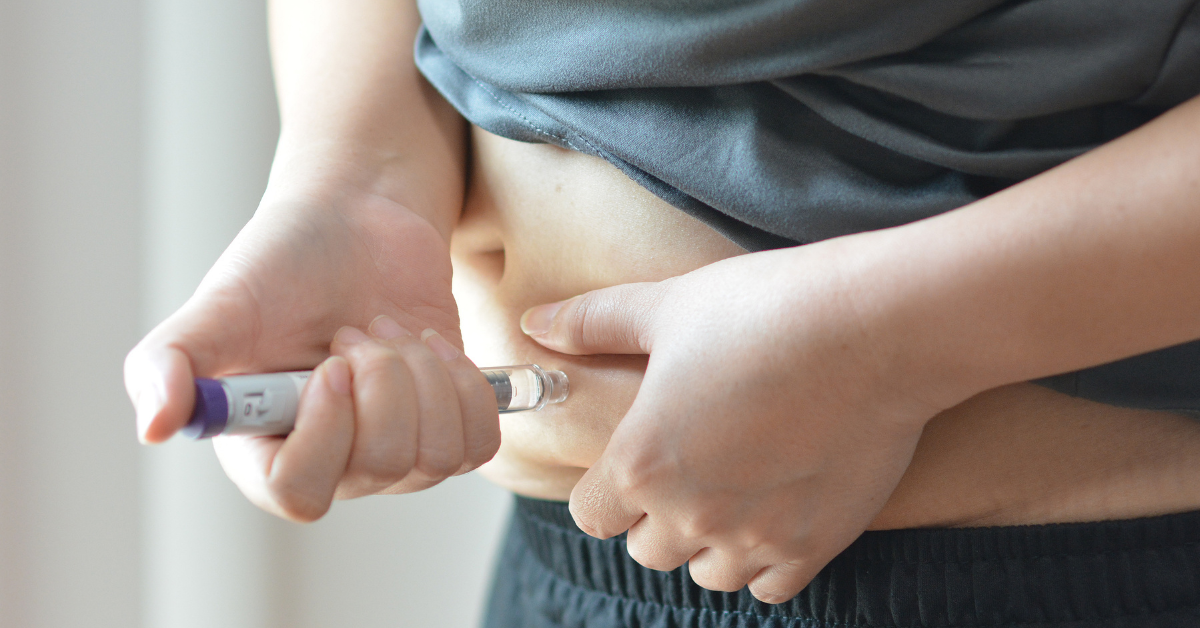
They offer flexibility when taking them because you are at liberty to use them once a day or once a week, depending on which medicine you have purchased. It will be quite easy to reduce your appetite since they keep working for a relatively long time.
For more information regarding these medicines and how you may use them, visit GLPWeightLoss.online.
How Long Do Different GLP-1 Medications Stay in Your System?
The period that the drug remains in the body is determined by the “half-life,” which refers to the period required for half the medicine to be removed from the body’s system. It usually takes around four to five half-lives for most medicines to be excreted from the body completely, which means around 97 percent will be out.
Here’s a helpful comparison of popular GLP-1 and related medications used for weight loss:
| Medication | Active Ingredient | Dosing Schedule | Half-Life | Time to Mostly Clear After Last Dose |
| Ozempic / Wegovy | Semaglutide | Once weekly | About 1 week | 5–7 weeks |
| Saxenda / Victoza | Liraglutide | Daily | About 13 hours | Approximately 3 days |
| Trulicity | Dulaglutide | Once weekly | About 5 days | 3–4 weeks |
| Mounjaro / Zepbound | Tirzepatide | Once weekly | About 5 days | 4–5 weeks (25–30 days) |
| Bydureon BCise | Exenatide ER | Once weekly | Extended release | Up to 8–10 weeks |
Both semaglutide, which is available in Ozempic and Wegovy, and tirzepatide, which targets both GLP-1 receptors and GIP receptors, are among the drugs with the highest half-life periods, making them popular choices for their prolonged effects and weekly dosage.
The above information applies to an average case; hence, individual results may differ depending on one’s health status.
What Factors Influence How Long GLP-1 Medications Stay in Your Body?
While the half-life is fairly consistent, a few everyday factors can play a small role:
- Dose strength: Higher maintenance doses may take a bit longer to fully clear compared to lower starting doses.
- Kidney function: Some older GLP-1 medications rely more on the kidneys, but most modern ones (like semaglutide and tirzepatide) are broken down throughout the body by natural proteins. Healthy kidneys and liver support normal clearance.
- Body weight and composition: People with higher body weight sometimes clear the medication slightly more slowly, but the difference is usually small.
- Length of use: After several weeks of regular dosing, the medication reaches a “steady state” where the amount entering your body each week balances what’s leaving. This provides stable effects, but stopping still follows the same half-life timeline.
- Age and overall health: Older adults or those with certain conditions may process medications a little differently, which is why regular check-ins with your healthcare provider are important.
In most cases, the timelines in the table above hold. If you have questions about your specific situation, your doctor can run simple blood work or give tailored advice.
What Happens in Your Body as GLP-1 Medication Starts to Leave?
However, the changes do not cease overnight since these drugs leave your body slowly, meaning that changes take weeks to occur.
With decreasing levels of hormones, you will probably observe the return of your appetite. It means that you may lose the feeling of being full after each meal and experience cravings more often than before. In general, many patients say that they can feel the signals of their hunger more often now.
Researches have revealed that the majority of patients tend to gain weight after the cessation of GLP-1 treatments. In most cases, patients gain back up to 60 percent of lost weight during one year since their initial levels of hormones change, and they cannot consume fewer calories anymore.
Positive note: The side effects of nausea, digestive problems, or constipation may resolve once the drug is out of your system. It’s possible that this phase will be a welcome change for you.
If you want to keep what you’ve accomplished, concentrate on the behaviors you established while on your drug regimen: proper nutrition, exercise, sleeping well, and dealing with stress. In many cases, you’ll find that you still benefit from the medicine but use it as an initial support instead of a cure-all.
For tips on how to maintain your weight loss even when the medication wears off, visit GLPWeightLoss.online.
Benefits of GLP-1 Medications Beyond Just Weight Loss
While they are often used as weight loss solutions, these therapies have more advantages. Some testimonials speak of better blood glucose regulation, which is good for those who either suffer from type 2 diabetes or have a prediabetic condition. Some people claim that after gaining a normal weight, they have more energy and feel better.
There is evidence that indicates some benefits for heart conditions for specific people. Inflammation might be reduced by these therapies, and heart health might improve.
Of course, everyone responds differently. While something will work fantastically for someone, it might not work quite as well for others.
Starting, Stopping, or Switching: What You Should Know
For those who have just started taking GLP-1s, most clinicians typically begin treatment with a lower dosage, increasing it gradually over several weeks. This “titration” phase enables your body to adapt and limits potential side effects.
Regarding discontinuation, it is relatively safe to stop using GLP-1s altogether, although discussing your decision with your provider will always be helpful. Your physician might even work on a tapering schedule for some patients, depending on their individual health needs.
Lastly, changing medication (for instance, switching from semaglutide to tirzepatide) is another common occurrence. Knowing the various half-life periods is important in coordinating these switches effectively.
Tips for Success While Using and After Using GLP-1 Medications
- Combine the drugs with a balanced diet; include more proteins, vegetables, and foods rich in fiber to remain satiated.
- Make time for resistance exercises 2-3 days a week to preserve your muscles while losing weight.
- Maintain your commitment to weekly shots or daily medication to ensure consistency.
- Keep track of how you feel using a basic diary; record your appetite levels, energy, and possible side effects.
- Develop a support network, which may involve your health care professionals, an online community, or your friends going through the same experience.
These medicines are potent aids, but the real change lies in the lifestyle habits that you form around them.
Ready to Move Forward on Your Weight Loss Path?
Knowing how long the drug remains active in your body reduces the unknowns significantly and gives you the power of planning. Whether you want to learn more before you start taking the drugs, manage side effects, or maintain weight loss after stopping them, knowledge is your greatest tool.
Not all people lose weight in the same way, and there isn’t a single solution that will work for everybody. Closely cooperating with experts in this area guarantees safe and effective use of these powerful weight-loss aids.
If you are interested in more detailed information about this subject, patient experiences, and specific recommendations on GLP-1 and weight loss, please visit GLPWeightLoss.online. Here you will be able to learn new information and get support from those who have walked the same road as you.
A healthier and more confident version of yourself is just around the corner – you just need to know what steps you should take to reach that point.
Frequently Asked Questions
How long does semaglutide (Ozempic or Wegovy) stay in your system?
The average half-life of Semaglutide is approximately 1 week. It will take between 5 and 7 weeks to eliminate most of the drug from your body following the last dose. Some hunger suppressant effects might persist until the drug eventually wears off.
Does GLP-1 medication build up in your body over time?
Semaglutide will reach a stable equilibrium stage in 4–5 weeks of use. At this stage, your body will experience maximum effectiveness with no risk of overdose since you have achieved a steady state of the medication.
Can I do anything to make GLP-1 leave my system faster?
Unfortunately, there is nothing you can do to accelerate elimination. The process will occur naturally. Ensure that you drink enough fluids and remain physically active. Consult your healthcare provider before altering your therapy regimen.
Will I regain weight once GLP-1 is out of my system?
Many people report some recovery as their appetite hormones come back. Nonetheless, the good eating and exercise routines established during treatment may allow you to maintain most of the benefits you have gained.
How do the durations of different GLP-1 medications compare?
Liraglutide is one of the daily injectable medicines that has an average clearance time of 3 days. Weekly drugs such as semaglutide and tirzepatide will take 5-7 weeks and 4-5 weeks, respectively. The long-lasting drugs may offer better convenience.
Is it safe to stop GLP-1 medications suddenly?
It is usually safe, yet consult your healthcare provider before stopping. You may start feeling hungry or experience gastrointestinal side effects as the medicine gets eliminated. A tailored tapering schedule will ease the process.