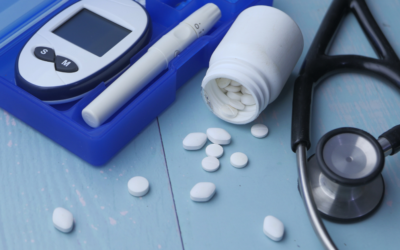
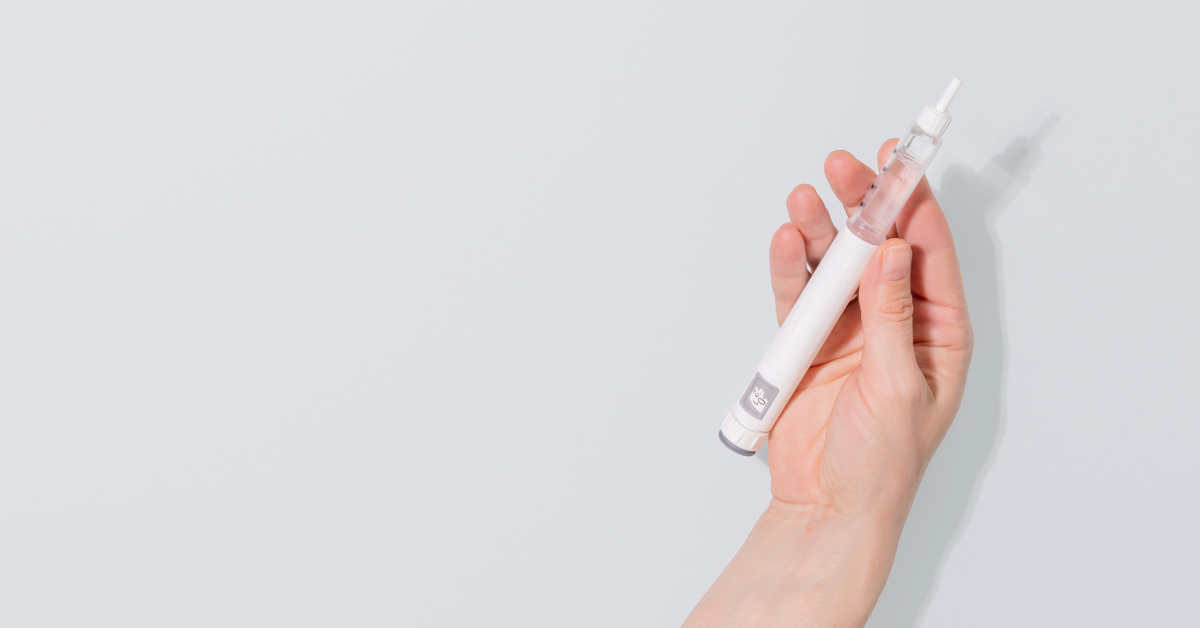

In case of many who start taking GLP-1 drugs, it is not the drug that frightens them but its mode of administration, which is self-injection of the drug. If you have not used a needle before, the prospect of getting yourself injected every week might seem somewhat daunting.
However, this is one of the easiest types of self-injections out there since the needles are very thin, the whole procedure is done within a minute, and you will soon realize that after your first or second injection, it will be easy as breathing.
This article guides you on all aspects including what you will need for administering GLP-1 injections, where, and how. Find more information about GLP-1 injections and drugs here: glpweightloss.online.
Understanding What Type of Injection This Is
Subcutaneous injections include GLP-1 medicines such as semaglutide (Ozempic, Wegovy) and tirzepatide (Mounjaro, Zepbound). “Subcutaneous” means that the drug is administered under the skin. It does not mean into a vein or even deeply into the muscles, but right into the fat layer beneath the skin.
This is important because subcutaneous injections are:
- Shallow – the needle only goes just below the skin surface
- Less painful than intramuscular injections
- Designed specifically for self-administration at home
- Delivered with extremely fine, short needles that most people barely feel
Subcutaneous injection is used for the gradual absorption of the medicine, which occurs slowly and steadily throughout a week. Absorption is rapid in the muscle, and that will likely lead to the development of adverse reactions and unstable effects of the drug.
What You’ll Need
Before starting on injections, it is good to know what to do and prepare everything required for administering. Mostly, all necessary items will be provided by the medical institution.
For pre-filled injection pens (Wegovy, Zepbound, Ozempic, Mounjaro):
- Your pre-filled medication pen (stored in the refrigerator)
- Alcohol swabs
- An FDA-cleared sharps disposal container
For vial and syringe (some compounded formulations):
- Your medication vial
- Insulin syringes (provided with your medication)
- Alcohol swabs
- A sharps disposal container
Most of the branded GLP-1 injections are provided in pre-filled pens that are easy to use. However, compounded versions are usually available in vials, which means drawing up the injection manually, something that is easier explained later on.
The Three Approved Injection Sites
There are three places where a GLP-1 injection can be administered into; places that have enough fat to facilitate subcutaneous injection.
1. Abdomen (most commonly used)
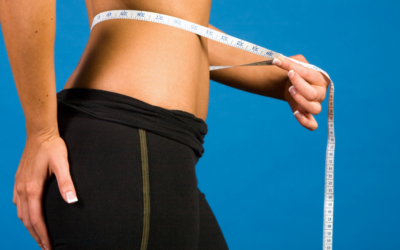
Choose an area in the fat part of your stomach, but not within 2 inches of your navel. It is very convenient, easy, and comfortable for injection, and this location makes self-injection very easy.
2. Front or outer thigh
If you wish to use an area near your thighs, choose either the front or outside parts of your thigh, aiming for the middle third. Stay at least 4 inches below your knees and 4 inches above your hips; avoid any areas that have blue veins, bruises, or scars.
3. Upper arm (outer back area)
Another injection site is the back of your upper arm, which is not as easy to access yourself, unless you get help. In case the other injection sites seem difficult or uncomfortable to you, consider using the back of your arm; never inject on the front part of your arm.
Rotate Your Sites Every Week
Repeated use of the same injection point leads to irritation of the tissues and sometimes causes the condition known as lipohypertrophy, which involves the development of small, hard lumps under the skin that interfere with drug absorption. By rotating the injection sites each time, one can prevent this from occurring and allow for proper healing between injections.
For example, you may use the abdomen area in week one, the thigh in week two, and the other side of the abdomen in week three, and continue like that.
How to Inject With a Pre-Filled Pen
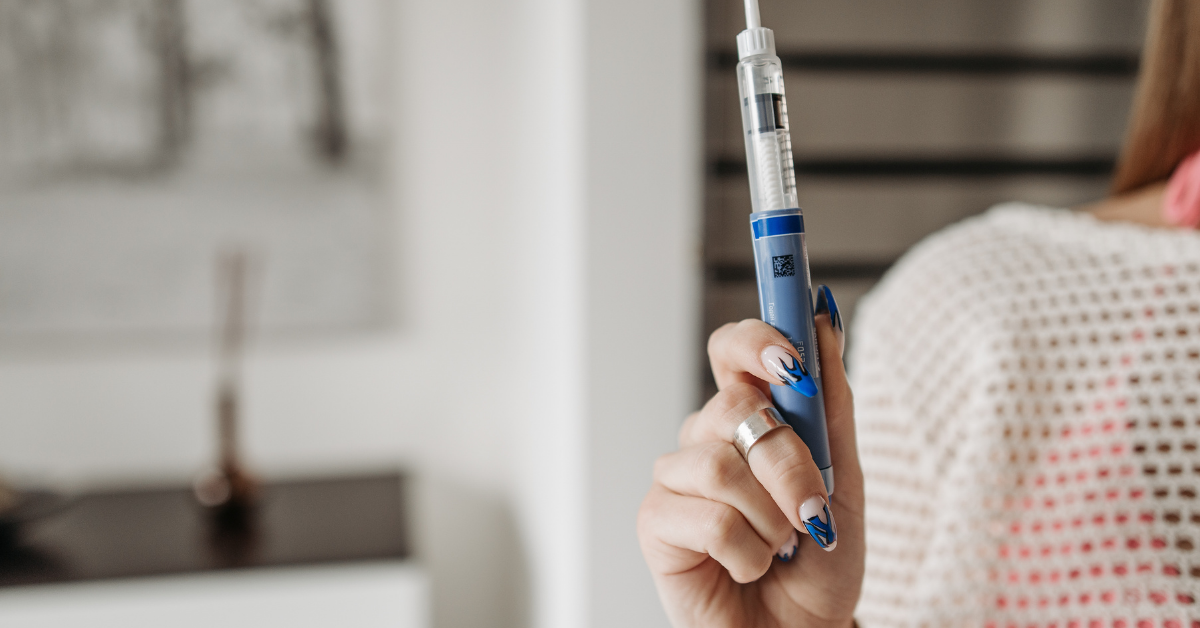
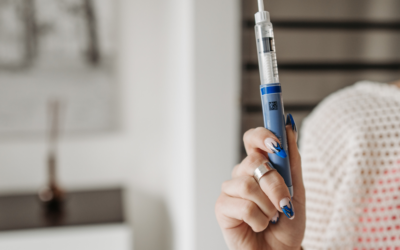
Individuals taking branded drugs such as Wegovy, Ozempic, Zepbound, and Mounjaro would be injecting themselves using an auto-injector. An auto-injector is designed specifically to make the process convenient.
Step 1 – Take the pen out of the refrigerator 15 to 30 minutes early
If you are using cold medication, it might cause irritation on the skin. You should leave the needle at room temperature before injecting it into your body.
Step 2 – Wash your hands thoroughly
Wash your hands with soap and water for a minimum of 20 seconds.
Step 3 – Check the pen
Ensure that you have the right medication and dosage. Check the expiry date. Observe the pen’s window; the solution must be clear to light yellow and free from haziness, particles, and discolouration. If there is anything out of the ordinary, do not use this pen. Speak to your pharmacist.
Step 4 – Choose and clean your injection site
Choose your injection site for the week. Apply an alcohol wipe to the injection site in circular motions, ensuring that the diameter is approximately the size of a silver dollar coin. Let it dry for 10 to 15 seconds completely. Avoid injecting into damp alcohol, as it may cause pain and possible contamination.
Step 5 – Remove the pen cap
Slide off the base cap of the pen by pulling it straight up. Do not attempt to rotate the cap; doing so will break the tip of the needle. Be mindful of the safety mechanism of the pen you have based on the pen type.
Step 6 – Pinch the skin (optional but helpful)
Pinch the skin of the injection site with your non-dominant hand. This helps pull away the fat layer from the muscles under it and works well for injection areas that lack sufficient fat layer.
Step 7 – Insert the needle and inject
Holding the pen injector as you would hold a dart, firmly press it onto the skin surface while maintaining a straight line at an angle of 90 degrees. Press and maintain pressure on the pen injector’s injection button until there is a click, indicating the start of the injection process. Maintain pressure for about 5 – 10 seconds, after which there will be a loud click to signify complete delivery of the drug.
Step 8 – Remove and check
Lift off the pen injector slowly. The gray plunger should be visible in the pen windows to indicate delivery of the entire dose. Blood droplets or clear fluid may appear in the site of injection.
Step 9 – Dispose safely
Return the pen immediately to the sharps disposal unit provided. You should never dispose of needles, syringes, or pens together with ordinary waste materials; it is mandatory to do so in an appropriate sharps container. FDA-approved sharps containers can be acquired at pharmacies within a few dollars.
Step-by-Step – How to Inject From a Vial With a Syringe
If you’re using a compounded formulation that comes in a vial with separate syringes, the process involves one extra step.
Steps 1–4 are the same: room temperature medication, hand washing, visual check of the vial, and cleaning the injection site.
Step 5 – Clean the vial top
Wipe the rubber stopper on the top of the vial with a fresh alcohol swab. Let it dry.
Step 6 – Draw the correct dose
Take off the protective caps on both ends of the syringe. Pull back the plunger to allow the introduction of an air bubble corresponding to your prescribed dosage. Insert the needle into the rubber stopper, then invert the vial. Inject the air into the vial and then withdraw your prescribed units by pulling the plunger back slowly. If you have any air bubbles in the syringe, gently tap the syringe to get rid of them, and then pull out the needle after rechecking the dosage.
Step 7 – Inject
Select a proper site to inject and then clean the area if necessary. Gently pinch the site with the skin if required. Hold the syringe firmly between the index finger and the middle finger and place the thumb on the plunger. Insert the needle quickly in the angle of 90 degrees.
Step 8 – Dispose
Dispose the used syringe safely in the sharps bin. Put back the vial in the refrigerator.
Tips for a More Comfortable Injection
- Let the medication warm to room temperature first – cold injections are noticeably more uncomfortable.
- Let the alcohol fully dry before injecting – wet alcohol stings significantly on entry.
- Don’t inject through clothing – always expose bare skin.
- Insert the needle confidently in one motion – hesitating and going slowly actually increases discomfort.
- If you feel strong resistance during insertion, stop and choose a slightly different spot rather than pushing harder.
- Hold the pen or syringe in place for the full 5 to 10 seconds after injecting – removing too quickly can cause some medication to leak back out.
A small amount of bruising or mild redness at the injection site is completely normal and usually fades within a day or two. A cool compress applied for a few minutes afterward can help.
GLP-1 Injection Safety – What to Avoid
- Never share your pen or syringe with anyone, even with a new needle – this can transmit blood-borne infections.
- Never inject into skin that is bruised, scarred, infected, or has lipohypertrophy lumps.
- Never inject into a vein or directly into a muscle – this is a subcutaneous injection.
- Never put the cap back on a used needle – this is a common cause of accidental needlestick injuries.
- Never dispose of used needles or pens in regular trash – use a proper sharps container.
If you notice signs of infection at the injection site – increasing redness, warmth, swelling, or discharge – contact your healthcare provider promptly.
For ongoing support with your GLP-1 treatment plan, visit glpweightloss.online.
Frequently Asked Questions
Does injecting GLP-1 medications hurt?
Most individuals find GLP-1 injections to be pain-free after becoming accustomed to the procedure. The needles used are extremely small and thin; far more so than anything you might find at your doctor’s office. Allowing the solution to come to room temperature, waiting for the alcohol swab to dry, and inserting the needle quickly and steadily makes the procedure easier.
Where is the best place to inject GLP-1 medication?
The most common and usually most comfortable area to inject is in the abdomen. Another option is either the front or outer side of your thigh. The back of your upper arm is another possible choice although it may be more difficult to reach by yourself. Any of the three sites are fine, just make sure to switch sites each week.
What happens if you inject into a muscle instead of fat?
Injection into the muscle tissue will cause the solution to take effect too quickly and may lead to unwanted side effects such as nausea. This will not cause any permanent damage but will lessen the regular effects that would normally take place when administered subcutaneously. If you are slim, try injecting at a 45-degree angle instead of the recommended 90-degree angle.
How do you rotate injection sites properly?
Alternate zones every week – for instance, left abdomen, right abdomen, left thigh, and right thigh. In each zone, inject at least an inch away from where you injected previously. This will allow recovery time for that area of skin so that scar tissue and/or lipohypertrophy does not develop.
What should you do if you missed a dose?
When it has been less than 5 days since your scheduled day to take this injection, take it at the first opportunity and get back to your normal schedule. For more than 5 days past your due date, skip your missed dose and continue with your next dose on the schedule. Never inject two doses or skip more than 5 days between doses. Always refer to your medicine’s package insert in case of doubt.
How do you dispose of used pens and syringes safely?
Dispose of any used pen or syringe promptly in an FDA-approved sharps container – readily available at pharmacies. The container should be taken to a designated disposal facility when it is three-quarters full. Most pharmacies can help you dispose of the container safely. Used syringes should never be thrown in household garbage or recycled.
Resources
- https://www.accessdata.fda.gov/drugsatfda_docs/label/2025/215256s024lbl.pdf
- https://mohfw.gov.in/sites/default/files/Unit5SageinfjectionsandWastedisposal.pdf
- https://www.cdc.gov/marburg/media/pdfs/2024/05/HCW-3-Injection-and-Sharps-Safety-508-c.pdf
- https://www.fda.gov/medical-devices/safely-using-sharps-needles-and-syringes-home-work-and-travel/best-way-get-rid-used-needles-and-other-sharps
- https://www.ozempic.com/how-to-take/ozempic-pen.html
- https://pi.lilly.com/us/zepbound-pen-us-ifu.pdf
- https://pi.lilly.com/ca/mounjaro-ca-ifu-kp.pdf
- https://www.frontiersin.org/journals/endocrinology/articles/10.3389/fendo.2018.00638/full
- https://pmc.ncbi.nlm.nih.gov/articles/PMC6218430/
- https://trimrx.com/blog/safe-and-responsible-your-comprehensive-guide-on-how-to-dispose-of-ozempic-pen-and-needles/
- https://trimrx.com/blog/safe-handling-and-disposal-what-to-do-with-ozempic-pens-and-other-injectable-medications/
- https://www.accessdata.fda.gov/drugsatfda_docs/label/2021/215256s000lbl.pdf
- https://trimrx.com/blog/navigating-safe-disposal-how-do-i-dispose-of-an-ozempic-pen-and-other-injectable-medications/
- https://www.medicines.org.uk/emc/files/usermanual.15481.pdf