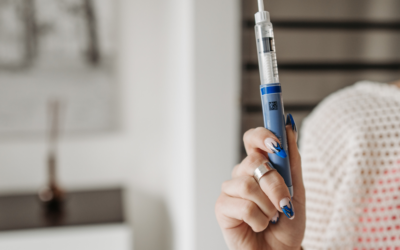


Most people who use GLP-1 drugs like Ozempic, Wegovy, Saxenda, Mounjaro, and Zepbound at some point decide to discontinue their use. One of the questions people wonder about is: What will happen when I stop taking my GLP-1 drug? Questions about the possibility of regaining weight, returning appetite, fluctuating blood sugar levels, and overall health are understandable.
This guide offers valuable information on the experience you can expect from GLP-1 drug withdrawal, the reasons for that experience, and useful advice on dealing with the situation.
For accurate information, personal experiences, and expert tips on GLP-1 weight loss medication, see https://glpweightloss.online/.
Understanding the Mechanism of GLP-1 Medications
The glucagon-like peptide-1 or GLP-1 refers to a hormone secreted in the intestines in response to eating. This substance contributes to satiety, delays digestion, stimulates insulin secretion, and regulates blood glucose levels. The action of prescribed GLP-1 analogues is similar but lasts for a significantly longer period of time.
In the meantime, patients who take such medications usually experience less food noise, better control over their portion size, and regular weight reduction provided that they maintain a healthy diet and engage in physical activity. Nevertheless, these treatments do not eliminate the causes of excessive weight but help control it, and thus discontinuing them may bring certain consequences.
The effect of the medication wears off gradually, as most commonly used GLP-1 drugs have a long half-life period.
Expected Timeline After Discontinuing GLP-1 Treatment
However, individual differences exist, and the timeline below is an estimate of the normal response pattern post-discontinuation:
- Weeks 1–2: Little visible difference observed by many patients. The amount of drugs present in the system is still fairly high, resulting in suppressed appetite and fullness cues.
- Weeks 3–5: As the concentration of the drugs decreases, appetite will slowly begin to return. Food satisfaction decreases, and some craving may be experienced.
- Weeks 6–12: Appetite and thoughts about food commonly increase in frequency. Normal digestion occurs, and weight changes will possibly become apparent as more calories are consumed.
- Beyond 3 Months: Weight gain will be more visible when there is no alteration in the behavior of the person in question. According to the clinical study, the amount of weight lost through semaglutide and tirzepatide cessation amounts to 60% after one year.
This has been noticed due to results obtained from programs such as STEP and SURMOUNT. In spite of weight gain, people still maintain their weight due to healthy behavior.
Common Physiological Changes After Stopping GLP-1
Several predictable shifts commonly occur as the medication clears the system:
Return of Appetite and Hunger Signals
The next symptom that occurs during withdrawal is the enhancement of hunger. The feeling of satiety is not provided by the use of drugs; therefore, patients start consuming more food or having more food cravings.
Potential Weight Regain
Another side effect is the gain of weight since the tendency of people to eat fewer calories due to the consumption of such medications will be reduced. In case patients forget about exercising and eating a healthy diet, they will probably gain some extra pounds. However, patients who managed to form good habits during their drug use are unlikely to experience excessive weight gain.
Changes in Blood Sugar Control
In case the patients had type 2 diabetes or prediabetes before using drugs, the level of their blood glucose will increase since their medication will stop working effectively.
Normalization of Digestive Function
These common adverse effects, such as nausea, bloating, and constipation experienced by some patients taking the medication, may go away or become tolerable. Digestion of food by the stomach will take more time, and most individuals would tolerate this sensation.
Effects on Energy Levels and Mood
The amount of energy could be influenced by an individual’s increase in weight and glucose level. It is possible that some individuals would appreciate the positive changes in some adverse effects, while others would dislike the absence of noise while eating.
Cardiometabolic Considerations
Positive changes in blood pressure, cholesterol, and inflammation due to the reduction of weight and the medication would gradually decrease.
Comparative Overview of Changes During and After GLP-1 Use
The table below summarizes key differences to provide a clear visual reference:
| Aspect | During GLP-1 Treatment | After Discontinuation (Over Weeks to Months) |
| Appetite and Fullness | Reduced hunger; longer-lasting satiety | Hunger returns, often progressively stronger |
| Food-Related Thoughts | Often minimized (“food noise” quiets) | Thoughts about food frequently increase |
| Digestive Process | Slower gastric emptying | Returns to normal speed |
| Body Weight Trend | Weight loss or stable maintenance | Regain common (average ~60% within 1 year) |
| Blood Sugar Regulation | Improved control for many | May worsen, especially in diabetes |
| Common Side Effects | Nausea or constipation is possible | Typically resolve |
This overview helps illustrate the gradual nature of the transition and highlights areas where proactive management can make a difference.
Reasons Behind These Changes: A Simple Explanation
GLP-1 agonists will increase your body’s natural physiological reactions in the gut and brain. The use of GLP-1 drugs does not result in any irreversible alteration in your body’s physiological processes. After discontinuing the usage of GLP-1 drugs, it is possible for your body to start producing more hunger hormones, such as ghrelin, and you will be able to feel the satisfaction from your meal.
Moreover, your body’s physiological reaction to weight reduction, which is a reduction in energy expenditure, can be reversed in the absence of proper dietary control.
The fact that obesity is a chronic disease provides an opportunity for you to view discontinuation of GLP-1 drugs as an adaptation in the approach to tackling the problem. While some individuals find it easier to use the drug occasionally or consistently, others are dependent on sound life skills and behaviors.
Practical Strategies for a Successful Transition
- Develop Sustainable Habits Early – While continuing to take the medication, pay attention to healthy food choices, portion sizes, and exercise routines so that these habits become habitual.
- Emphasize Protein and Fiber – Choose low-fat protein sources, plenty of vegetables, beans, and unrefined grains to encourage natural satiety and balanced energy.
- Incorporate Strength Training – Do strength training workouts 2–3 times each week to preserve muscle tissue and sustain metabolism.
- Monitor Progress Thoughtfully – Monitor your body weight, appetite, and energy once a week rather than each day to keep tabs without becoming burdened.
- Discuss Tapering Options – Some medical professionals suggest tapering off rather than stopping abruptly to avoid an increase in appetite.
- Seek Professional Support – Work together with your physician, a licensed nutritionist, or a weight loss expert. Sleep, relaxation, and water intake are still important factors.
- Practice Self-Compassion – Anticipate changes. Keeping only a small amount of weight loss can provide substantial health benefits.
Valuable insights and community support for navigating this phase are available at https://glpweightloss.online/.
Determining the Right Approach for Your Situation
However, the cessation of GLP-1 treatment will be guided by your personal health needs, tolerance, cost concerns, and choice. While some will use it for a prolonged period of time, others will stop using it once they reach their target body weight.
It would be helpful if you had an open dialogue with your healthcare practitioner in order to have them assess your personal needs, carry out tests if necessary, and devise a plan just for you.
Looking Ahead with Informed Confidence
One thing that needs to be stressed is the fact that the cessation of treatment with GLP-1 agents will not negate your accomplishments. There is the possibility that you will be able to achieve great levels of weight loss if you prepare and maintain yourself properly. The knowledge of what is going to happen gives you an active approach rather than a passive approach.
Maintaining one’s body weight involves a long-term commitment that always evolves. These factors are among the most important aspects when it comes to success.
Regardless of whether you are preparing to cease treatment, gradually decreasing the dose, or simply contemplating the future, you will find valuable resources, motivating testimonials, and useful tools from https://glpweightloss.online/. Learn more about our site today.
Frequently Asked Questions
How much weight do people typically regain after stopping GLP-1 medications?
According to scientific investigations, most patients usually put back 60% of the weight they lose in just a year after ceasing to take the drugs. Weight gain normally happens slowly and steadily; many will still be able to keep up at least 25% of their weight loss through healthy eating and exercising.
Does appetite return stronger after stopping GLP-1 treatment?
Food cravings may recur soon after cessation, and they may even be stronger initially. However, if a patient already has established the practice of mindful eating while being under medication, they will have an easier time adjusting.
What occurs with blood sugar levels when GLP-1 medications are stopped?
Some patients’ blood glucose levels might worsen, especially if they suffer from diabetes or prediabetes, since the drug no longer controls insulin production and weight loss.
Can weight regain be prevented after discontinuing GLP-1?
Whereas some reversal may occur, it can be avoided by proper nutrition with an emphasis on proteins and fibers, physical exercise, especially strength building, and dose reduction where necessary. Seeking professional help will increase the chances of success.
Do side effects disappear when you stop taking GLP-1 medications?
Yes, side effects like nausea and constipation tend to improve, with most cases resolving completely once the drug is cleared from the body within a few weeks. Normalization of digestive processes should follow.
Is it safe to stop GLP-1 medications abruptly, or is tapering recommended?
Stopping the drug abruptly is usually deemed safe; however, health professionals recommend a slow reduction of the dosage to minimize the severity of appetite rebound.
Resources
- https://www.ncbi.nlm.nih.gov/books/NBK551568/
- https://www.nejm.org/doi/full/10.1056/NEJMoa2206038
- https://pubmed.ncbi.nlm.nih.gov/38134934/
- https://diabetesjournals.org/care/article/46/Supplement_1/S140/148044/9-Pharmacologic-Approaches-to-Glycemic-Treatment
- https://www.niddk.nih.gov/health-information/weight-management/adult-overweight-obesity/treatment